
As global energy demand continues to rise and power infrastructure projects face tighter timelines, higher safety requirements, and increasing land constraints, the prefabricated substation has emerged as a transformative solution in modern power distribution systems. This article explores what a prefabricated substation is, how it works, its core components, key advantages, real-world applications, and why utilities and industrial users worldwide are rapidly adopting it. Drawing on practical engineering insights and industry experience from Wzonpa, this in-depth guide helps decision-makers understand why prefabricated substations represent the future of efficient, reliable, and scalable power distribution.
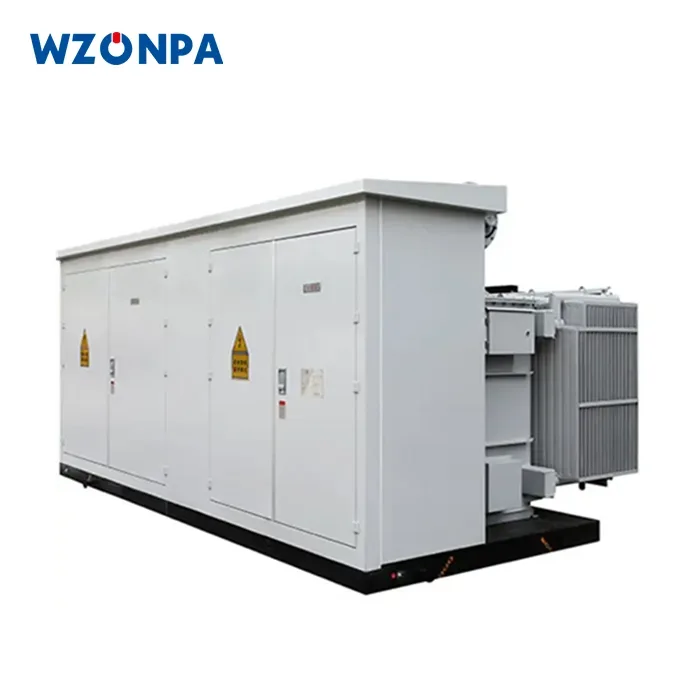
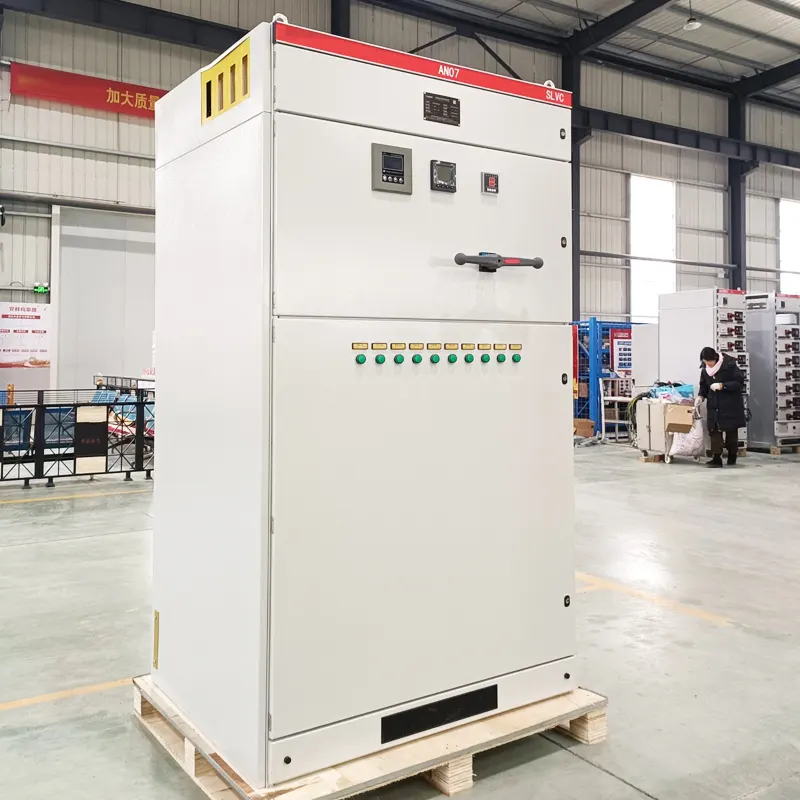
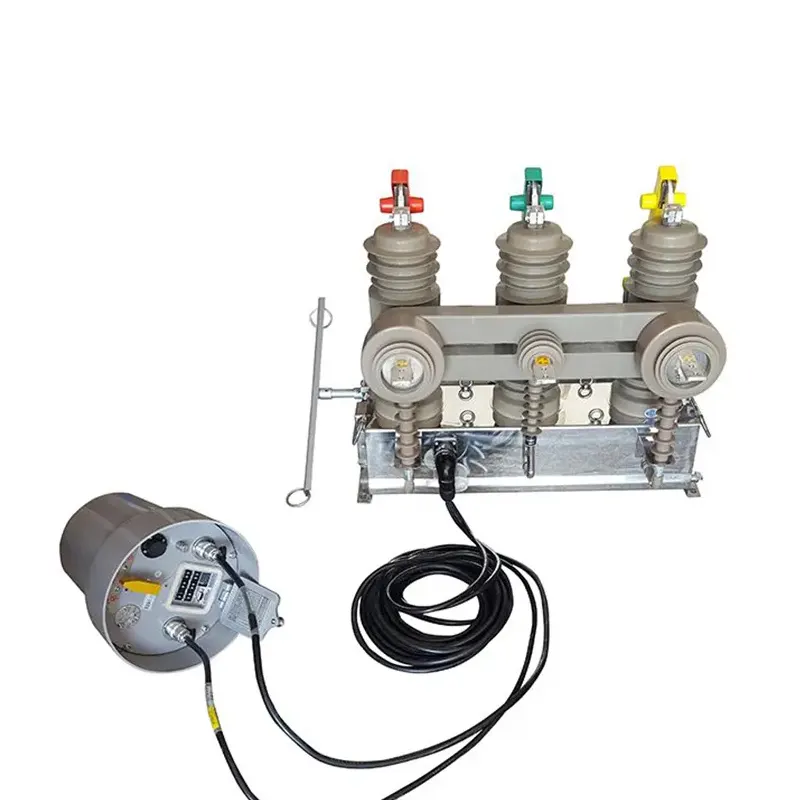
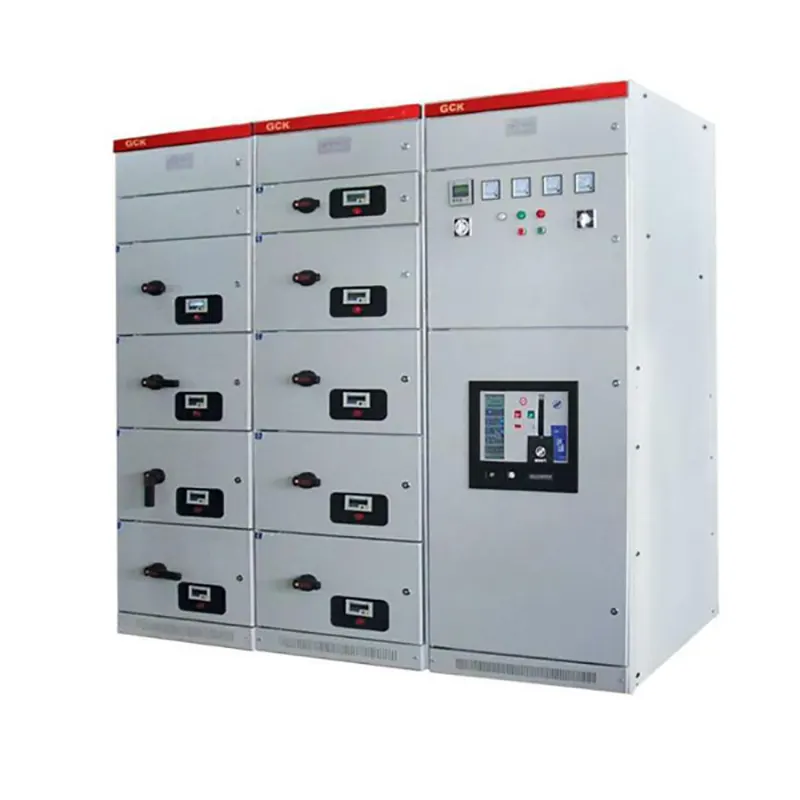
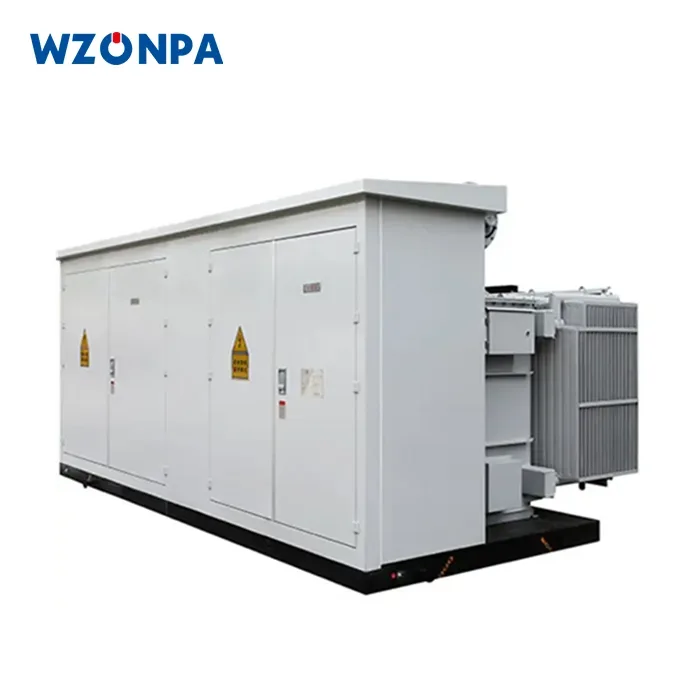
A prefabricated substation, also known as a compact substation or packaged substation, is a factory-assembled power distribution unit that integrates medium-voltage switchgear, transformers, low-voltage distribution equipment, protection systems, and auxiliary components into a single enclosed structure.
Unlike traditional substations that require extensive on-site construction, a prefabricated substation is fully designed, assembled, wired, and tested in a controlled factory environment before being transported to the project site for rapid installation.
The working principle of a prefabricated substation mirrors that of a conventional substation but in a more compact, standardized, and efficient form.
All these functions are enclosed within a weatherproof, tamper-resistant housing, ensuring stable operation even in harsh environments.
| Component | Function |
|---|---|
| Medium Voltage Switchgear | Controls, protects, and isolates incoming power |
| Transformer | Steps down voltage to distribution level |
| Low Voltage Distribution Panel | Distributes electricity to end users |
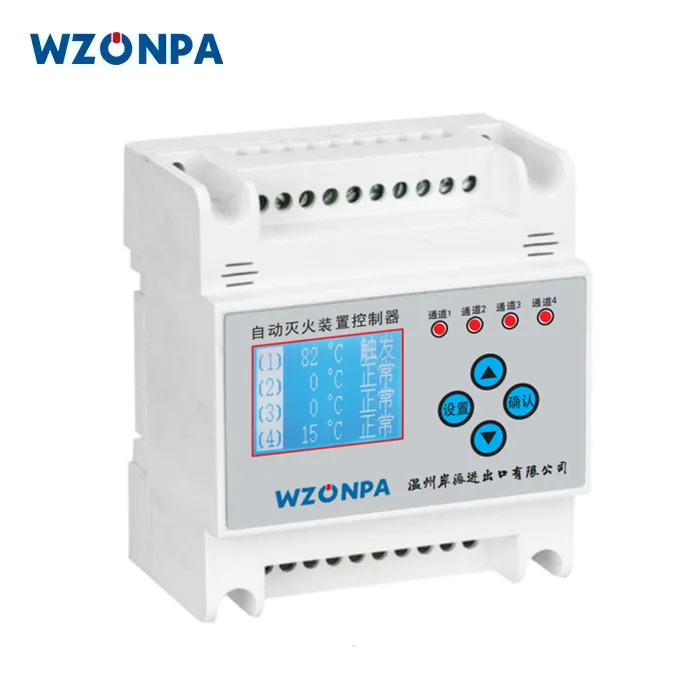
| Protection & Control System | Ensures fault detection and system safety |
| Enclosure | Provides environmental and mechanical protection |
A prefabricated substation is widely used across various sectors:
| Aspect | Prefabricated Substation | Traditional Substation |
|---|---|---|
| Installation Time | Weeks | Months |
| Site Work | Minimal | Extensive |
| Quality Control | Factory tested | Site dependent |
| Flexibility | High | Limited |
When selecting a prefabricated substation, consider the following:
With extensive experience in power distribution equipment, Wzonpa delivers prefabricated substation solutions that combine engineering precision, robust safety design, and long-term reliability. Each unit is rigorously tested before delivery, ensuring stable operation across diverse applications worldwide.
Wzonpa’s prefabricated substations are designed with customization in mind, allowing clients to match exact project specifications while maintaining international compliance standards.
Yes. Most prefabricated substations are designed with weatherproof enclosures suitable for outdoor and harsh environments.
With proper maintenance, a prefabricated substation typically has a service life of 25–30 years.
Absolutely. Layout, capacity, protection schemes, and enclosure materials can be customized to project needs.
No. Prefabricated substations are engineered for safe and efficient transportation using standard logistics methods.
The shift toward prefabricated substations reflects a broader transformation in the power industry—one focused on efficiency, safety, and rapid deployment. As infrastructure projects demand smarter and more flexible solutions, the prefabricated substation is no longer an alternative but a necessity.
If you are planning a power distribution project and want a future-ready solution, choosing a high-quality prefabricated substation from an experienced manufacturer like Wzonpa can significantly reduce risk, cost, and installation time.
To learn more about customized solutions or discuss your project requirements, contact us today and let our technical experts help you design the ideal prefabricated substation for your application.