
News

What Is an Automatic Fire Extinguishing System Controller and How Does It Safeguard Modern Buildings

2026-02-11 0 Leave me a message

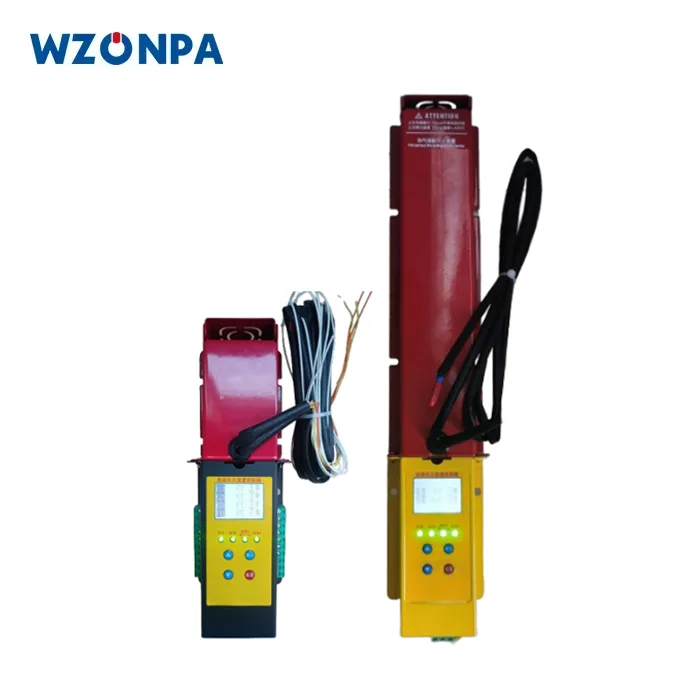
In today’s high-risk industrial and commercial environments, fire safety is no longer optional—it is mission-critical. An Automatic Fire Extinguishing System Controller acts as the intelligent core of a fire suppression system, coordinating detection, alarm activation, system discharge, and real-time monitoring. This comprehensive guide explores how these controllers work, their components, technical advantages, installation considerations, industry applications, compliance standards, and why choosing a reliable manufacturer like Wzonpa is essential for long-term safety and performance.
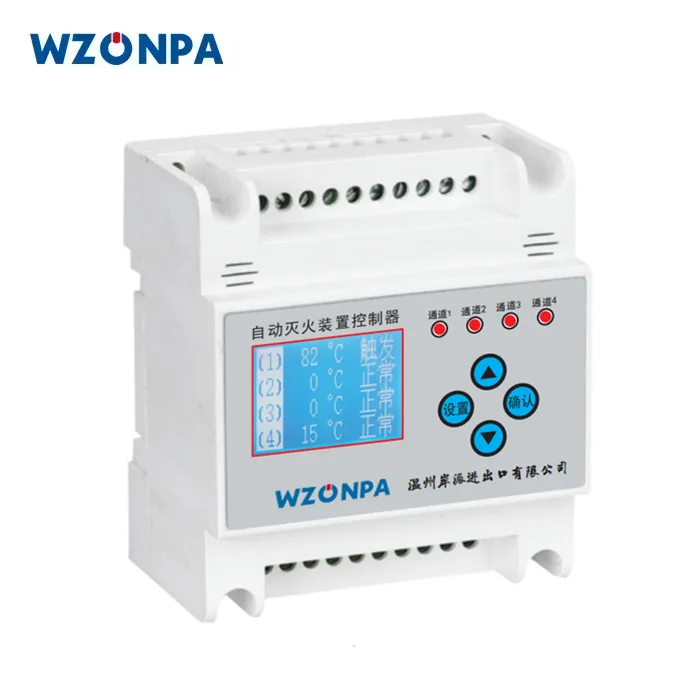
Automatic Fire Extinguishing System Controller

Table of Contents


1. Powerful Question-Based Titles from Keyword Expansion

  • How Does an Automatic Fire Extinguishing System Controller Improve Industrial Fire Safety?
  • Why Is an Intelligent Fire Suppression Controller Essential for Data Centers?
  • What Features Should You Look for in a Gas Fire Extinguishing Controller?
  • Can a Smart Fire Alarm Control Panel Prevent Catastrophic Equipment Loss?
  • How Do Automatic Fire Suppression System Panels Integrate with Building Management Systems?
  • What Makes a CO2 Fire Suppression Controller Reliable in High-Risk Areas?
  • How Does an FM200 Fire System Controller Ensure Rapid Response?

This article will focus on:

What Is an Automatic Fire Extinguishing System Controller and How Does It Safeguard Modern Buildings?


2. What Is an Automatic Fire Extinguishing System Controller?

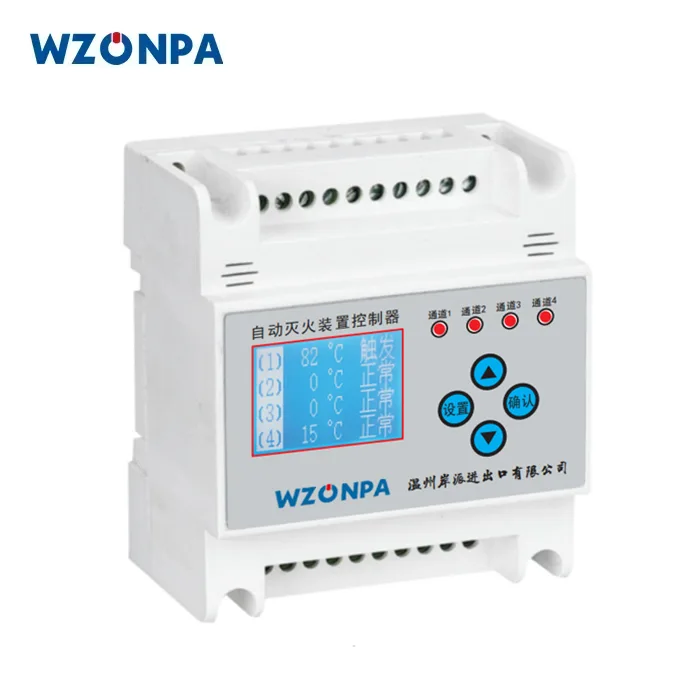
An Automatic Fire Extinguishing System Controller is the central control unit responsible for managing detection signals, activating alarms, and triggering extinguishing agents such as FM200, CO2, water mist, or foam systems.

It functions as the "brain" of the fire suppression system, ensuring rapid decision-making and accurate deployment of extinguishing agents once fire conditions are detected.

Unlike traditional alarm-only panels, modern controllers integrate:

  • Automatic detection logic
  • Delayed discharge programming
  • Manual override capabilities
  • Fault monitoring and diagnostics
  • Integration with smart building systems

Learn more about professional-grade controllers at Automatic Fire Extinguishing System Controller.


3. How Does a Fire Suppression Controller Work?

Step-by-Step Operational Flow

  1. Detection: Smoke, heat, or flame detectors identify abnormal conditions.
  2. Signal Processing: The controller verifies the alarm through logic programming.
  3. Alarm Activation: Audible and visual alarms warn occupants.
  4. Delay Countdown: Evacuation time is provided before discharge.
  5. Agent Release: The extinguishing system is activated.
  6. Status Monitoring: System performance and faults are logged.

This automated workflow significantly reduces response time and human error.


4. Key Components and Functional Modules

  • Main Control Board – Processes input and executes logic.
  • Detection Input Circuits – Connect to smoke and heat detectors.
  • Release Output Circuits – Control solenoid valves or actuators.
  • Display Interface – LCD or LED status indicators.
  • Manual Release & Abort Switches – Emergency overrides.
  • Power Supply Module – Includes battery backup.

5. Types of Automatic Fire Suppression Controllers

1. Gas-Based Fire System Controllers

Used in server rooms and archives with clean agents like FM200 or NOVEC1230.

2. CO2 Fire Suppression Controllers

Suitable for industrial machinery rooms.

3. Water Mist System Controllers

Ideal for heritage buildings and high-value assets.

4. Foam System Controllers

Common in petrochemical facilities.


6. Where Are These Controllers Commonly Used?

  • Data Centers
  • Power Distribution Rooms
  • Telecommunication Stations
  • Industrial Manufacturing Plants
  • Oil & Gas Facilities
  • Hospitals
  • Commercial Buildings

7. Advanced Features of Modern Controllers

  • Intelligent cross-zone detection logic
  • Network connectivity (RS485 / Modbus)
  • Remote monitoring capability
  • Event history logging
  • Self-diagnostic functions
  • Battery backup up to 24 hours
  • Multi-language interface

8. Technical Comparison Table

Feature Basic Controller Advanced Intelligent Controller
Detection Logic Single Zone Cross-Zone Verification
Remote Monitoring No Yes
Data Logging Limited Extensive Event Memory
Integration Standalone BMS Integration
Battery Backup 12 Hours 24–72 Hours

9. Installation and Maintenance Best Practices

Installation Tips

  • Mount at accessible eye-level height.
  • Ensure proper grounding.
  • Use certified wiring.
  • Test cross-zone logic before commissioning.

Maintenance Checklist

  • Monthly indicator inspection
  • Quarterly alarm simulation test
  • Battery capacity test every 6 months
  • Annual full discharge system inspection

10. Compliance and International Standards

  • EN54 Fire Detection and Alarm Systems
  • NFPA 72 National Fire Alarm Code
  • ISO 7240 Fire Detection Standards
  • GB Chinese Fire Protection Standards

Compliance ensures reliability, safety, and insurance eligibility.


11. Why Choose Wzonpa?

Wzonpa is a professional manufacturer specializing in advanced fire safety control systems. Their Automatic Fire Extinguishing System Controllers are designed with:

  • High-reliability microprocessor technology
  • Strict quality control standards
  • Customizable configuration options
  • International compliance certifications
  • Comprehensive technical support

By integrating innovation with safety engineering expertise, Wzonpa provides intelligent fire protection solutions trusted across industrial and commercial sectors worldwide.


12. Frequently Asked Questions (FAQ)

Q1: What is the difference between a fire alarm panel and a fire extinguishing controller?

A fire alarm panel detects and alerts, while an extinguishing controller additionally triggers suppression agents.

Q2: How often should the system be tested?

Visual inspections monthly and functional testing quarterly are recommended.

Q3: Can the controller integrate with smart building systems?

Yes, advanced models support BMS integration through communication protocols.

Q4: Is battery backup mandatory?

Yes, most standards require backup power for uninterrupted operation.

Q5: Which industries benefit most?

Data centers, industrial plants, telecom facilities, and high-value storage areas.


Conclusion

An Automatic Fire Extinguishing System Controller is not just a regulatory requirement—it is a critical safety investment that protects lives, assets, and business continuity. By selecting a reliable, standards-compliant solution from a trusted manufacturer like Wzonpa, organizations can ensure rapid fire response, intelligent system coordination, and long-term operational security.

If you are looking for high-performance fire suppression control solutions tailored to your project needs, contact us today to learn how Wzonpa can support your fire safety strategy.

Related News
Leave me a message
X
We use cookies to offer you a better browsing experience, analyze site traffic and personalize content. By using this site, you agree to our use of cookies. Privacy Policy
RejectAccept