
Article Summary: Surge Protective Devices (SPDs) are crucial components that protect your electrical systems and devices from the damaging effects of electrical surges. In this blog, we’ll explore what SPDs are, how they work, and why they’re important for both residential and commercial setups. By understanding the function of SPDs, you can make better decisions regarding the safety of your electrical installations.
Electrical surges can be caused by lightning strikes, power outages, or issues within the electrical grid. These surges can damage sensitive equipment like computers, televisions, and industrial machinery. Surge Protective Devices (SPDs) are designed to mitigate this risk, offering a layer of protection to ensure your devices remain safe from electrical damage.
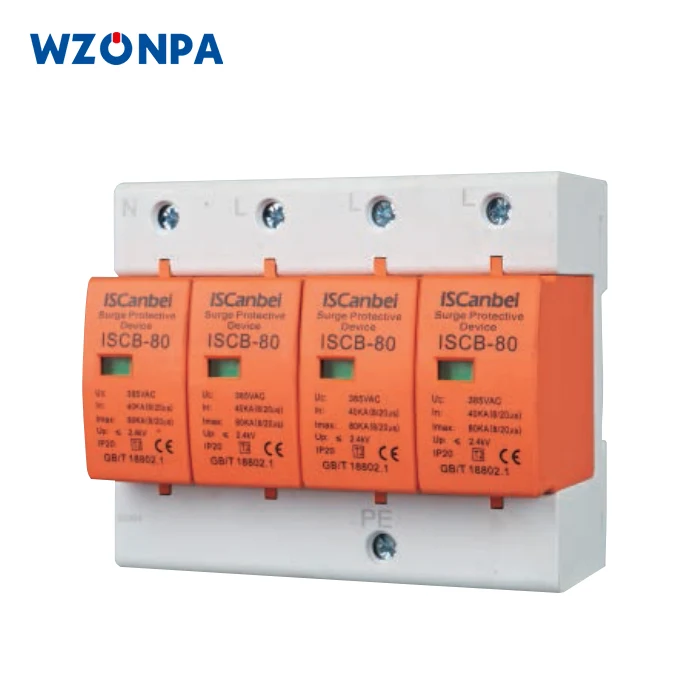
A Surge Protective Device (SPD) is an electrical device designed to protect electrical equipment from transient over-voltage events, which are typically caused by lightning strikes, power line crosses, or switching of large electrical loads. SPDs act as a barrier, diverting excess voltage away from sensitive equipment to the ground, preventing potential damage.
SPDs are commonly used in homes, businesses, and industrial applications to protect high-value electrical devices such as computers, televisions, industrial machinery, and more. Wzonpa offers a range of SPDs designed to provide reliable protection in various settings, ensuring the longevity and safety of electrical systems.
The working principle of an SPD is quite simple. It’s designed to allow normal electrical currents to pass through, but when a surge occurs, it diverts the excess energy to the ground. The SPD’s internal components absorb the surge and discharge it safely, preventing it from reaching and damaging your devices.
Surge Protective Devices are essential because they prevent damage to expensive electrical equipment and systems. Without an SPD, electrical surges can result in the loss of data, system failures, or costly repairs. The consequences of power surges can be severe, especially for businesses that rely on sensitive equipment to perform essential operations.
For residential users, an SPD can protect electronics such as home theaters, refrigerators, and HVAC systems from surge-related damage. In commercial and industrial settings, SPDs are necessary to ensure the protection of valuable machinery, computers, and communication systems.
There are various types of Surge Protective Devices, and the type you choose depends on your needs. The main categories include:
| Type | Description | Common Applications |
|---|---|---|
| Point of Use SPDs | These devices protect individual appliances, typically plugged into a wall outlet. | Home electronics, small office devices |
| Panel-Mounted SPDs | These are installed directly into your electrical panel to protect entire circuits or buildings. | Commercial buildings, factories |
| Whole-House SPDs | Installed at the main electrical panel to protect the entire electrical system. | Residential homes, large commercial buildings |
Choosing the right SPD depends on several factors, including the type of equipment you need to protect, the environment (residential, commercial, or industrial), and the expected level of surge exposure. Key factors to consider when choosing an SPD include:
Wzonpa offers a variety of SPDs tailored to different needs, from home protection to large industrial systems. Our experts can help you select the right SPD for your requirements.
The lifespan of an SPD varies depending on usage and exposure to surges. However, most SPDs last several years before they need replacement. It’s important to check the SPD regularly to ensure it is functioning properly.
Yes, if you have sensitive electronics in your home, such as computers, televisions, or home theaters, an SPD can protect them from electrical surges caused by lightning strikes or power grid issues.
SPDs can be installed at the point of use, on your electrical panel, or in combination with other surge protection methods. It is recommended to consult a professional electrician for proper installation to ensure maximum protection.
Contact Us: To learn more about Surge Protective Devices and how they can benefit your electrical system, feel free to contact us. Our team at Wzonpa is ready to assist you with choosing the right SPD for your needs and providing expert installation services. Protect your valuable electrical systems with Wzonpa today!