
A Surge Protective Device (SPD) is a critical component in modern electrical systems, designed to protect equipment and infrastructure from transient overvoltage events such as lightning strikes, switching surges, and power grid disturbances. In this in-depth guide, we explore what a Surge Protective Device is, how it works, different SPD types, international standards, installation best practices, and how to select the right solution for residential, commercial, and industrial applications.

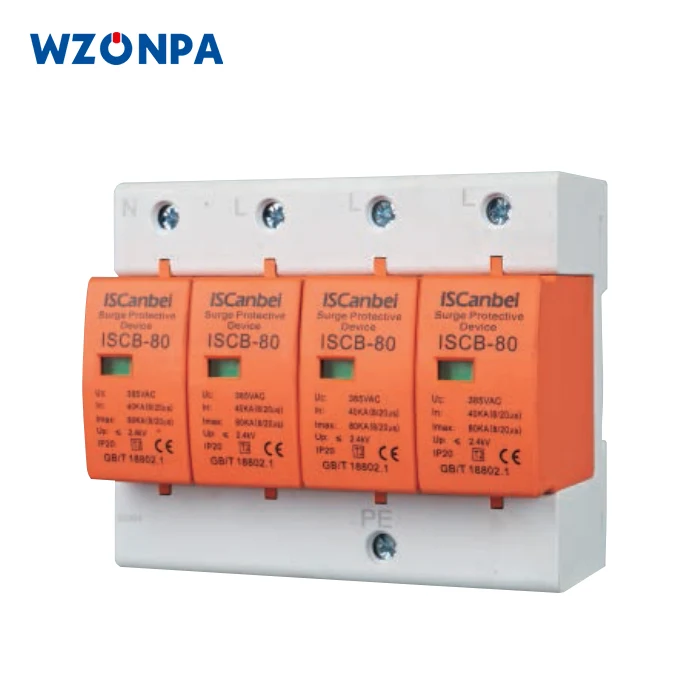
A Surge Protective Device is an electrical protection component designed to limit transient voltages and divert surge currents away from sensitive equipment. When a voltage spike exceeds a predefined threshold, the Surge Protective Device reacts instantly, clamping or redirecting excess energy to the grounding system.
According to IEC and UL definitions, a Surge Protective Device protects low-voltage electrical installations from overvoltages caused by lightning or switching events. Without an SPD, these surges can degrade insulation, damage electronic components, and lead to costly downtime or safety hazards.
With the growing use of automation, IoT devices, and renewable energy systems, electrical networks are more vulnerable than ever. A properly selected Surge Protective Device acts as a first line of defense.
A Surge Protective Device continuously monitors the system voltage. Under normal conditions, it remains inactive. When a transient overvoltage occurs, internal components such as metal oxide varistors (MOVs), gas discharge tubes (GDTs), or transient voltage suppression diodes (TVS) activate instantly.
These components create a low-impedance path to ground, safely diverting the surge energy away from protected loads. Once the surge subsides, the SPD automatically returns to its standby state.
| SPD Type | Installation Location | Main Purpose |
|---|---|---|
| Type 1 Surge Protective Device | Main distribution board | Protection against direct lightning currents |
| Type 2 Surge Protective Device | Sub-distribution panels | Protection against switching surges |
| Type 3 Surge Protective Device | Near sensitive equipment | Fine protection for electronics |
A high-quality Surge Protective Device must comply with recognized international standards, including:
Compliance ensures performance reliability, safety, and global acceptance.
Surge Protective Devices are widely used across various sectors:
Proper installation is essential for a Surge Protective Device to function effectively. Keep connection leads as short as possible, ensure low-impedance grounding, and coordinate different SPD types across the power system.
Regular inspection and replacement of worn-out SPDs are also crucial for maintaining protection integrity.
Wzonpa specializes in high-performance Surge Protective Device solutions designed to meet modern electrical protection challenges. With a focus on reliability, compliance, and engineering excellence, Wzonpa offers a comprehensive range of SPDs suitable for residential, commercial, and industrial applications.
Learn more about professional-grade Surge Protective Device options by visiting: Surge Protective Device Solutions.
The lifespan depends on surge frequency and intensity. Many SPDs include visual or remote indicators to signal replacement.
Typically, a coordinated system using Type 1, Type 2, and Type 3 Surge Protective Devices provides the best protection.
Yes. Proper grounding is critical for effective surge diversion and safety.
A Surge Protective Device is no longer optional—it is a fundamental requirement for protecting modern electrical systems. Choosing the right SPD improves safety, reliability, and long-term performance.
If you are looking for trusted, standards-compliant Surge Protective Device solutions, Wzonpa is ready to help. Contact us today to discuss your application and find the right protection for your system.