
Article Summary: In this comprehensive guide, we explore the significance of Surge Protective Devices (SPDs) in modern electrical systems. From understanding their working principle to installation tips, types, and frequently asked questions, this article offers valuable insights to protect your electrical infrastructure effectively. Wzonpa, a leading manufacturer, provides a range of high-quality SPDs suitable for residential, commercial, and renewable energy applications.
Table of Contents
- What is a Surge Protective Device?
- How Does a Surge Protective Device Work?
- What Are the Types of Surge Protective Devices?
- Why Should You Install a Surge Protective Device?
- What Are the Best Practices for SPD Installation?
- How to Maintain Your Surge Protective Device?
- Frequently Asked Questions (FAQ)
- Contact Wzonpa for Your SPD Needs
What is a Surge Protective Device?
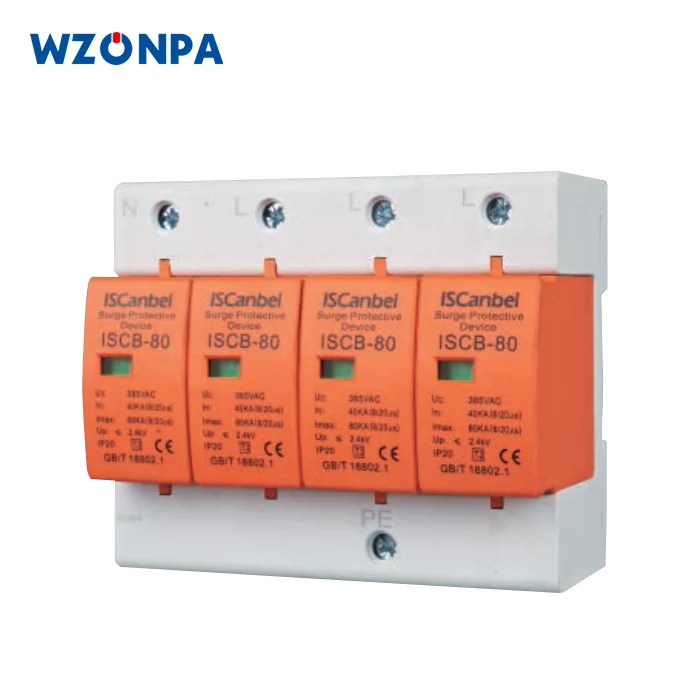
A Surge Protective Device (SPD) is a specialized electrical component designed to protect electrical systems and equipment from transient overvoltages caused by lightning strikes, switching operations, or electromagnetic interference. SPDs are critical for preventing damage to sensitive electronic devices and maintaining system reliability.
Wzonpa's SPDs are designed for solar, wind, and conventional power systems, offering both AC and DC protection with compliance to IEC 61643 standards. Their devices use high-energy metal oxide varistors (MOVs) and thermal disconnectors to manage surges efficiently.
How Does a Surge Protective Device Work?
SPDs function by diverting excess voltage away from the protected circuit. When a surge occurs, the SPD quickly clamps the voltage to a safe level, absorbing or redirecting the transient energy. Key features include:
- Dynamic voltage clamping with nanosecond response time
- Multi-stage protection architecture
- Thermal disconnectors for safe operation
- Real-time status monitoring via indicators
Wzonpa SPDs are engineered for both common-mode and differential-mode surges, making them ideal for DC solar networks and AC distribution systems.
What Are the Types of Surge Protective Devices?
Surge Protective Devices are categorized based on their application and energy handling capability. The main types include:
| Type | Function | Typical Applications | Wzonpa Models |
|---|---|---|---|
| Type 1 (T1) | Primary protection against direct lightning strikes | Main distribution panels, industrial buildings | 15kA, 25kA, 50kA SPD |
| Type 2 (T2) | Secondary protection against indirect lightning surges | Sub-distribution panels, commercial installations | 20kA, 40kA, 60kA, 80kA SPD |
| Type 3 (T3) | Point-of-use protection for sensitive equipment | Computers, home appliances, solar inverters | Compact modular SPD |
Why Should You Install a Surge Protective Device?
Installing SPDs is essential for several reasons:
- Protect Equipment: Prevents costly damage to electronic devices and power equipment.
- Reduce Downtime: Avoids system failures that can halt operations.
- Compliance: Meets safety standards such as IEC 61643.
- Extend Lifespan: Wzonpa SPDs can extend equipment service life by over 300%.
What Are the Best Practices for SPD Installation?
Correct installation maximizes SPD performance. Follow these tips:
- Install at both ends of extended DC cabling in solar or wind systems.
- Use modular DIN-rail SPDs in distribution panels for easy maintenance.
- Ensure proper grounding to safely discharge surge energy.
- Regularly check SPD indicators to monitor health and functionality.
How to Maintain Your Surge Protective Device?
SPD maintenance ensures long-term protection:
- Visual inspection of status indicators monthly
- Replace SPDs after a major surge event or if indicators show faults
- Test grounding and electrical connections periodically
- Document SPD performance for compliance audits
Frequently Asked Questions (FAQ)
1. Can SPDs protect both AC and DC systems?
Yes, Wzonpa offers SPDs designed for AC, DC, and hybrid renewable energy systems.
2. How do I know the right SPD type for my system?
Type 1 SPDs are for primary protection, Type 2 for secondary, and Type 3 for point-of-use. Consult Wzonpa experts for specific system requirements.
3. What is the lifespan of a surge protective device?
SPDs generally last 5-10 years depending on the frequency of surges. Regular inspection is recommended.
4. Can SPDs be used in solar farms?
Absolutely. Wzonpa SPDs, including APBU2-PV series, are optimized for solar and wind power applications.
Contact Wzonpa for Your SPD Needs
If you want to ensure reliable protection for your electrical systems, contact Wzonpa today. Our professional team can help you select the right Surge Protective Device for your residential, commercial, or renewable energy applications. Don't wait until damage occurs—reach out to us now for expert guidance and superior surge protection solutions.