
As power distribution systems become more compact, efficient, and intelligent, the Prefabricated Substation has emerged as a core solution across industries, utilities, and infrastructure projects. In this in-depth guide, we explore what a Prefabricated Substation is, how it works, why it is rapidly replacing conventional substations, and how Wzonpa delivers reliable, safe, and future-ready solutions that meet global standards. This article is written to support SEO performance while fully aligning with Google’s EEAT principles of Experience, Expertise, Authoritativeness, and Trustworthiness.

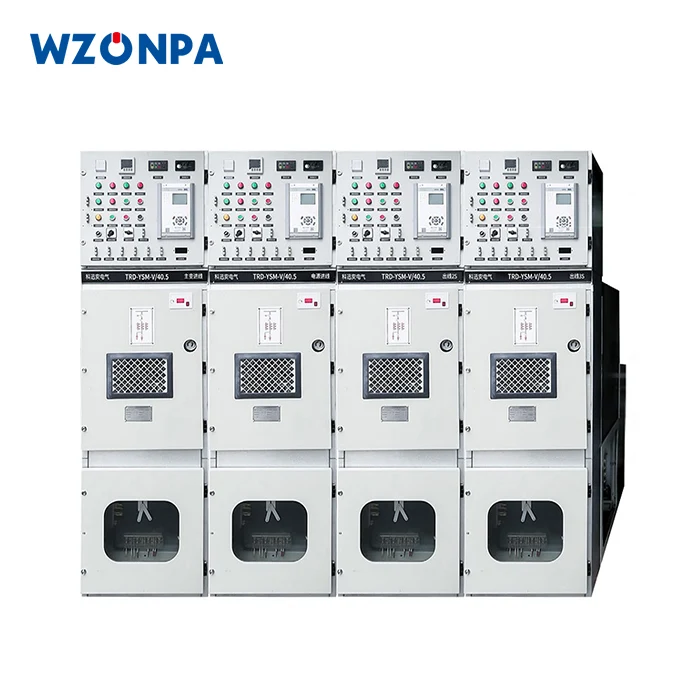
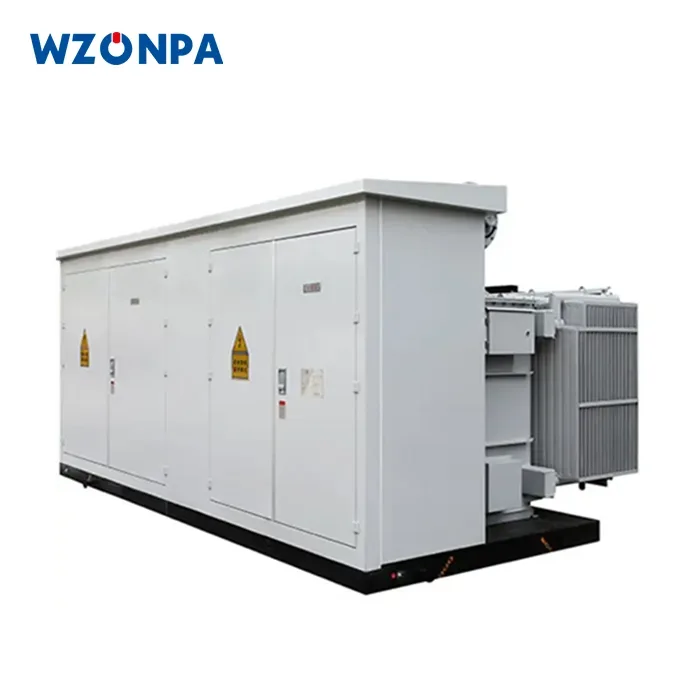
A Prefabricated Substation, also known as a compact substation or modular substation, is a fully integrated power distribution unit that combines medium-voltage switchgear, transformers, and low-voltage distribution equipment into a single enclosed structure. Unlike traditional substations built on-site, a Prefabricated Substation is designed, assembled, tested, and commissioned in a factory environment before being transported to its final location.
At Wzonpa, each Prefabricated Substation is engineered to reduce installation time, minimize on-site construction risks, and ensure consistent quality across projects of all scales.
The rapid growth of urbanization, renewable energy projects, and industrial automation has increased the demand for flexible and space-saving power solutions. The Prefabricated Substation addresses these needs effectively.
With decades of electrical manufacturing expertise, Wzonpa has positioned itself as a trusted supplier of Prefabricated Substation systems for both domestic and international markets.
A standard Prefabricated Substation integrates multiple electrical systems into one compact unit. Below is a structured overview:
| Component | Function |
|---|---|
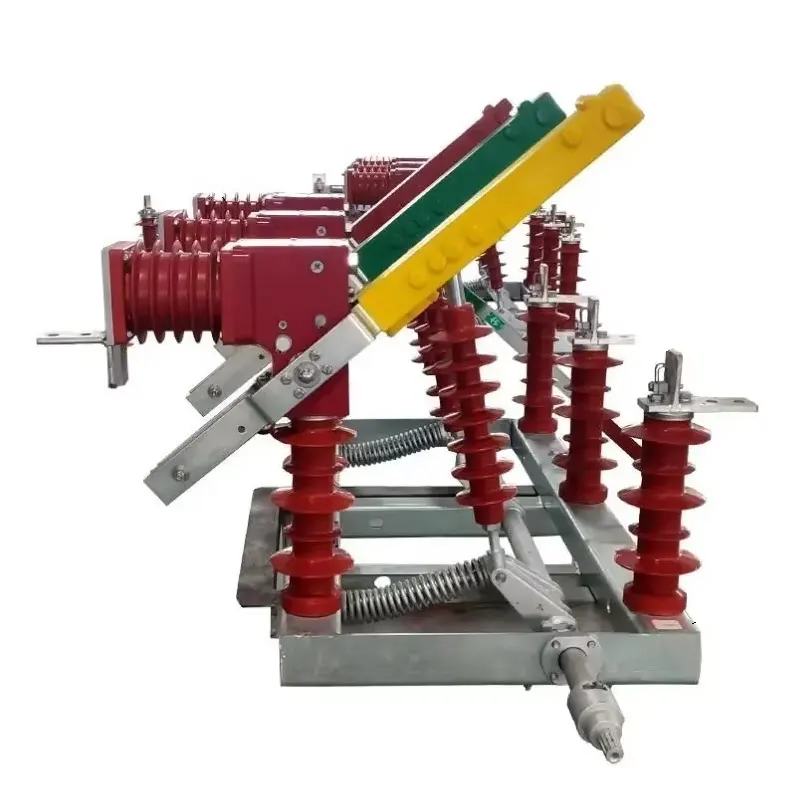
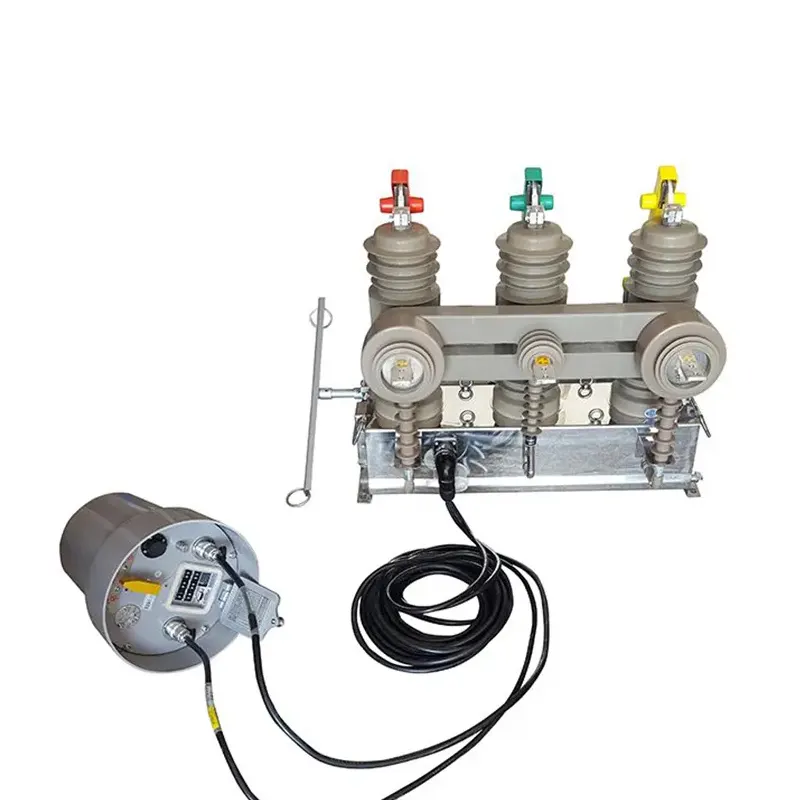
| Medium Voltage Switchgear | Controls and protects incoming power supply |
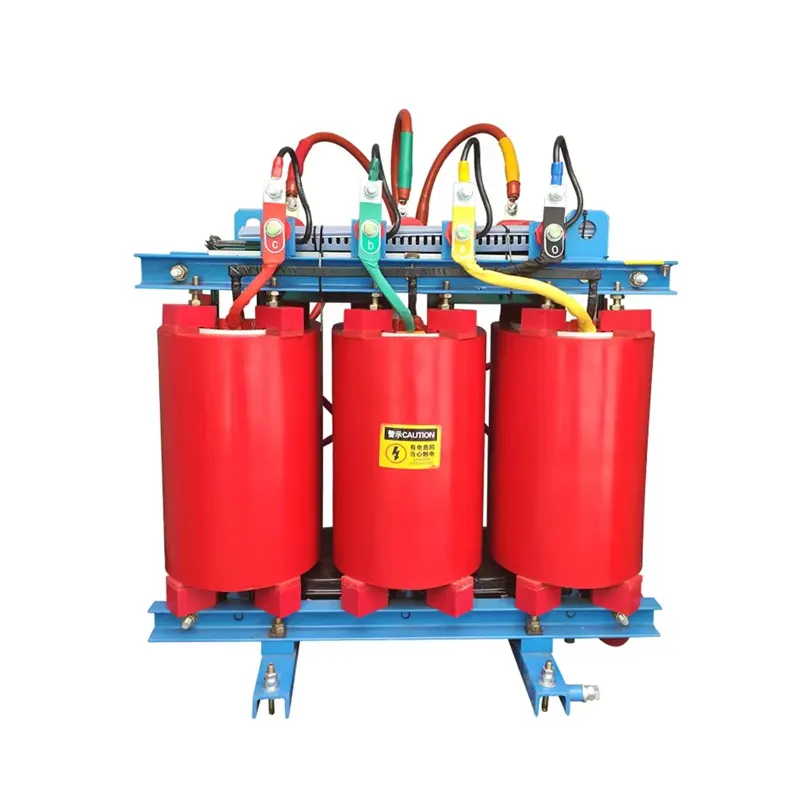
| Transformer | Steps voltage up or down as required |
| Low Voltage Distribution Panel | Distributes electricity to end users |
| Enclosure | Provides environmental and safety protection |
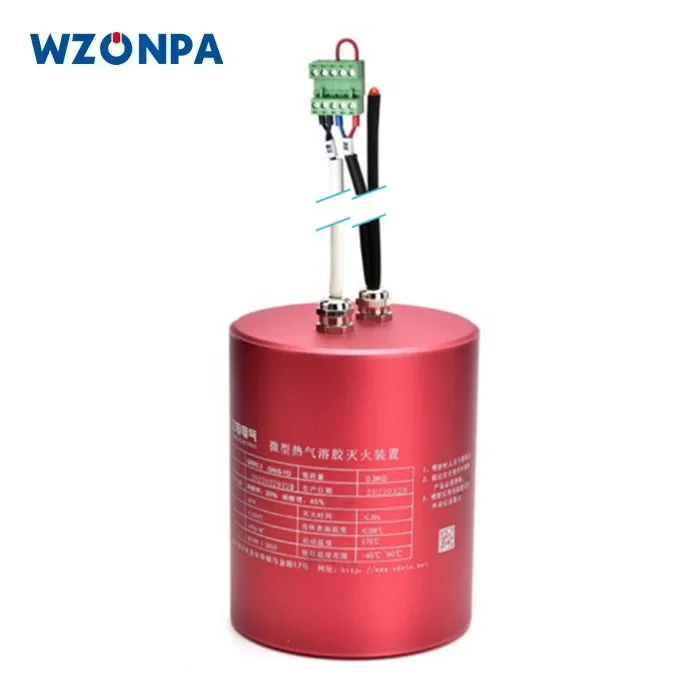
| Auxiliary Systems | Ventilation, lighting, fire protection, monitoring |
Every Prefabricated Substation produced by Wzonpa is customizable to match project-specific voltage levels, climate conditions, and safety requirements.
Thanks to their modular and scalable nature, Prefabricated Substations are widely used across industries:
Wzonpa works closely with EPC contractors, utilities, and developers to ensure each Prefabricated Substation integrates seamlessly into its operational environment.
Quality assurance is at the core of every Prefabricated Substation manufactured by Wzonpa. From material selection to final testing, strict control processes are followed.
This commitment ensures that each Prefabricated Substation delivers long-term operational stability and safety.
Compared to conventional substations, a Prefabricated Substation offers distinct technical advantages:
Wzonpa continuously invests in research and development to enhance the performance and intelligence of its Prefabricated Substation solutions.
Selecting the right Prefabricated Substation requires careful consideration of several factors:
With its proven track record, Wzonpa provides expert consultation to help clients choose the most suitable Prefabricated Substation for their projects.
Q1: How long does it take to install a Prefabricated Substation?
A: Installation is typically completed within days rather than months, depending on site conditions.
Q2: Are Prefabricated Substations customizable?
A: Yes. Wzonpa offers fully customized Prefabricated Substation solutions.
Q3: Are Prefabricated Substations suitable for outdoor use?
A: Absolutely. They are designed with robust enclosures for outdoor and harsh environments.
Q4: How long is the service life of a Prefabricated Substation?
A: With proper maintenance, service life typically exceeds 20–30 years.
In today’s fast-evolving power infrastructure landscape, choosing a reliable Prefabricated Substation partner is critical. Wzonpa combines engineering expertise, strict quality control, and customer-focused service to deliver solutions you can trust. If you are planning a new power project or upgrading an existing system, contact us today to discuss how Wzonpa can support your Prefabricated Substation needs with professional guidance and tailored solutions.