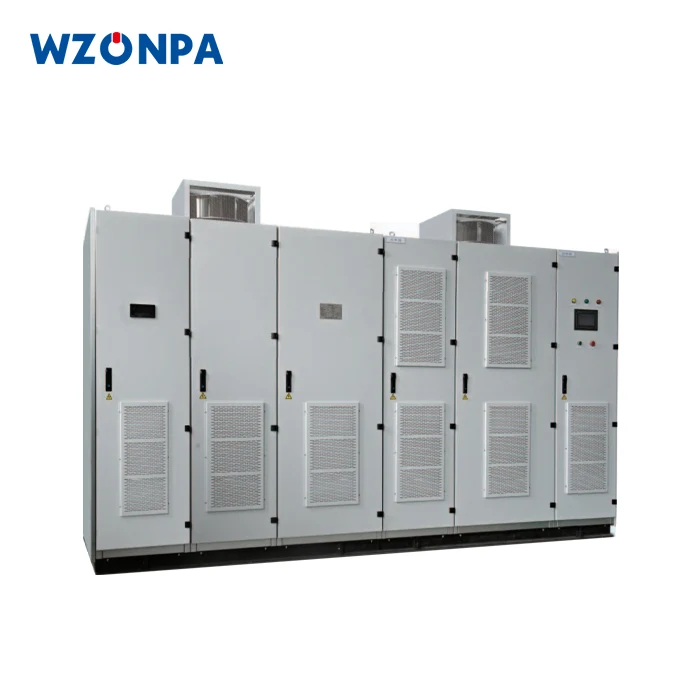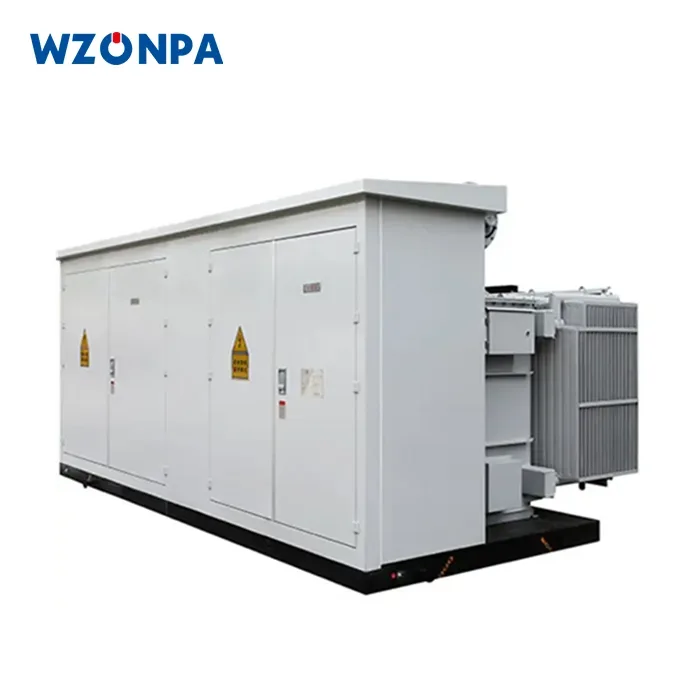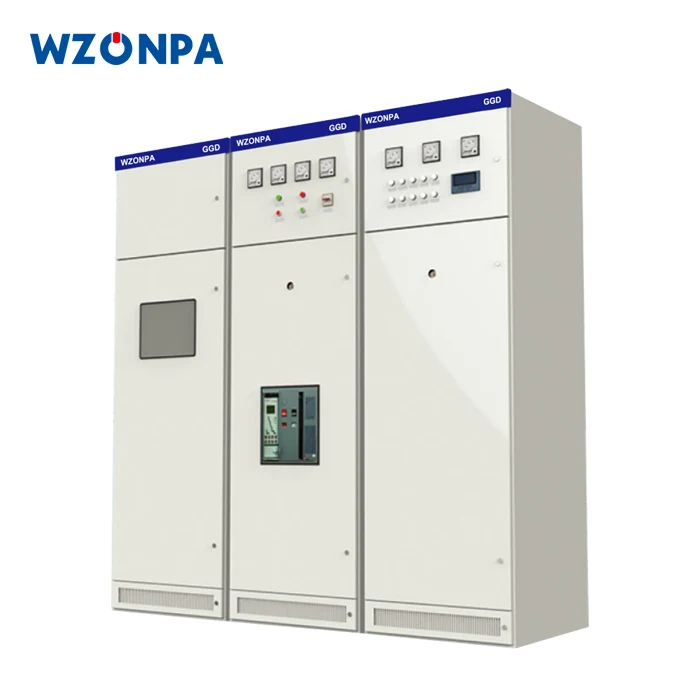

Article Summary: In this article, we explore the importance of medium-voltage indoor earthing switches in electrical systems. The earthing switch plays a crucial role in ensuring electrical safety by discharging accumulated energy and preventing faults in indoor installations. We will cover its working mechanism, applications, and benefits, helping you understand why choosing the right earthing switch, like those offered by Wzonpa, is critical for your electrical infrastructure.

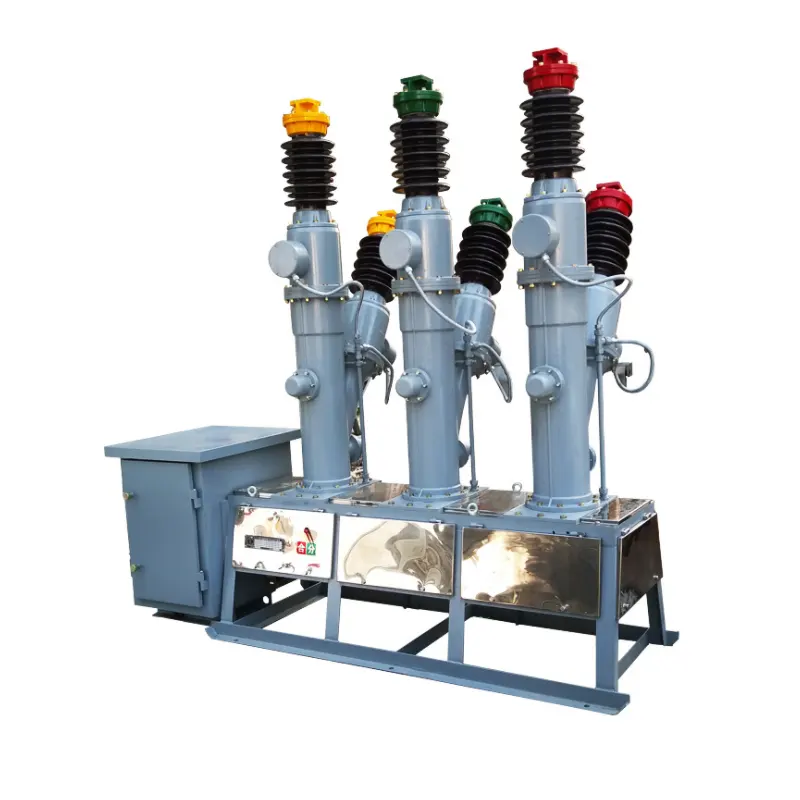
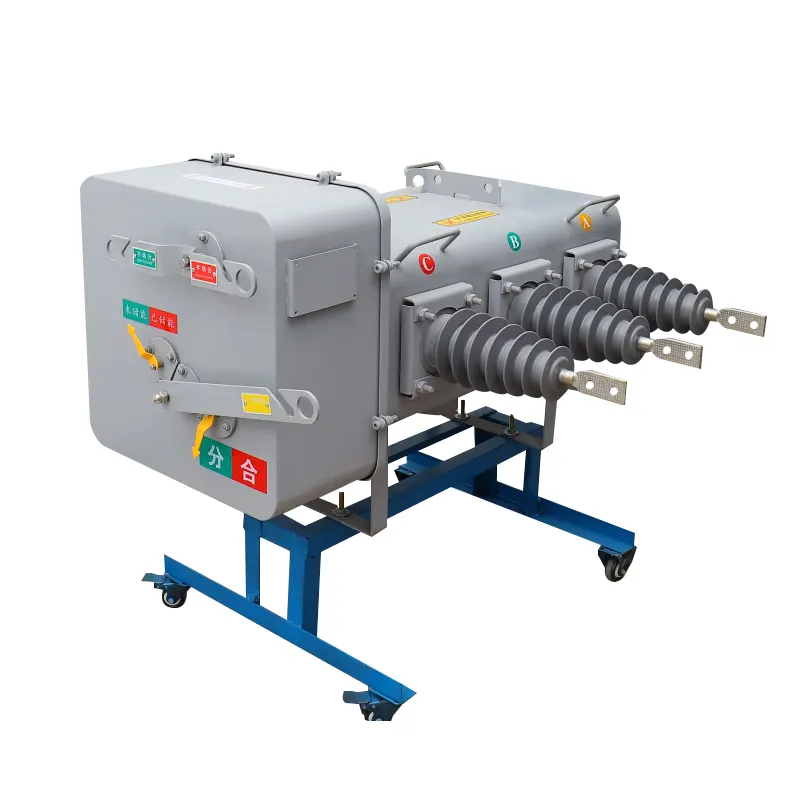
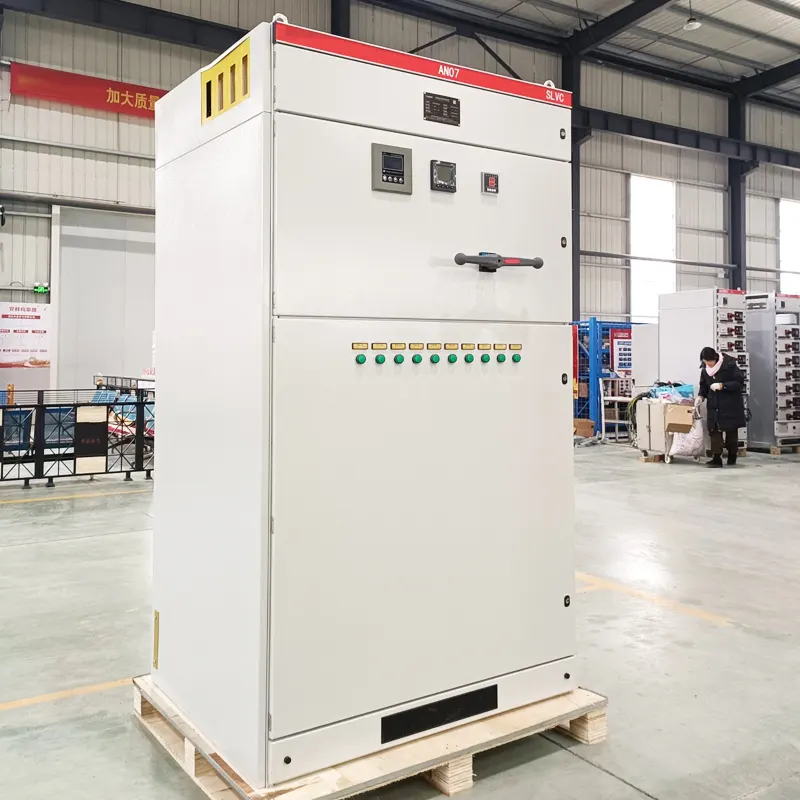
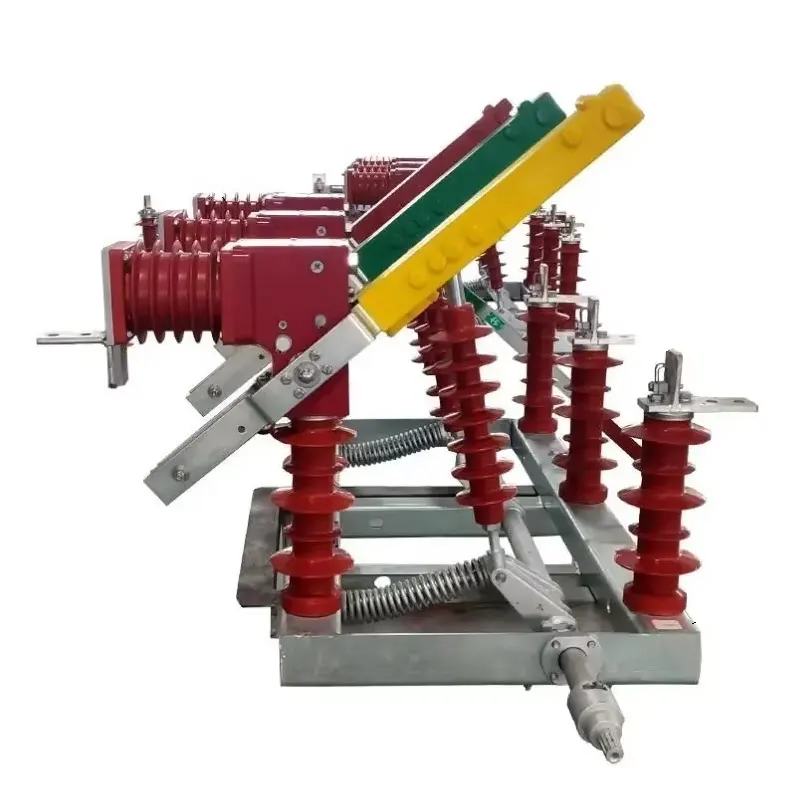
Medium-voltage indoor earthing switches are integral components in modern electrical systems. They are designed to ensure the safety of personnel and equipment by discharging fault currents and providing a safe path to ground. These switches are particularly used in medium-voltage electrical installations, typically ranging from 1 kV to 36 kV, found in substations, industrial plants, and commercial buildings.
Earthing switches function by connecting electrical circuits to ground when needed, providing a safe path for electrical faults to dissipate. In the event of a fault, the earthing switch closes, allowing the accumulated energy to be released through a low-resistance path. The switch is typically controlled manually or automatically, depending on the system’s requirements.
Medium-voltage indoor earthing switches are used across various applications, ensuring safe operations in electrical systems. Here are a few key uses:
Using a medium-voltage indoor earthing switch offers several advantages:
Wzonpa is a trusted name in the electrical industry, offering a range of high-quality earthing switches designed for medium-voltage applications. Our products are engineered to meet the highest standards of safety, durability, and performance. Whether you need an earthing switch for industrial use or commercial installation, Wzonpa ensures the highest quality, reliability, and safety for your electrical systems.
With Wzonpa’s medium-voltage indoor earthing switches, you can be confident in the protection and efficiency of your electrical installations. Our commitment to innovation and safety has made us a leading choice for professionals worldwide.
A medium-voltage indoor earthing switch provides a path for fault currents to safely dissipate into the ground, ensuring the protection of both personnel and equipment during electrical faults.
It can be operated either manually or automatically, depending on the system design. In either case, it must be able to make or break the connection to the ground reliably and quickly during fault conditions.
These switches are used in substations, industrial plants, renewable energy installations, and commercial buildings to protect electrical systems from fault currents.
A reliable earthing switch helps ensure safety, prevent electrical accidents, and comply with safety regulations. A poor-quality switch can fail during a fault, causing damage or injury.
Contact us today to learn more about how Wzonpa’s medium-voltage indoor earthing switches can enhance the safety and reliability of your electrical installations. Our experts are available to answer your questions and provide the best solutions for your needs.