
Summary
Choosing the right MV Switchgear is rarely just about voltage level. Buyers often need to balance safety, continuity, footprint, maintenance, and long-term operating cost while making sure the equipment fits real site conditions. This article explains what modern MV Switchgear does, where common buying mistakes happen, how different configurations compare, and what to review before placing an order. With practical tables, checklists, and FAQs, this guide is designed to help project owners, contractors, utilities, and industrial facilities make a more confident decision.
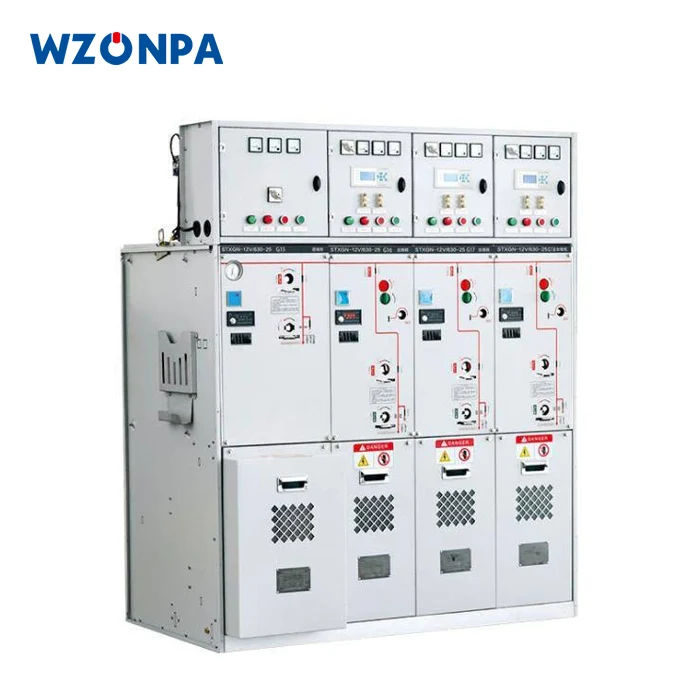
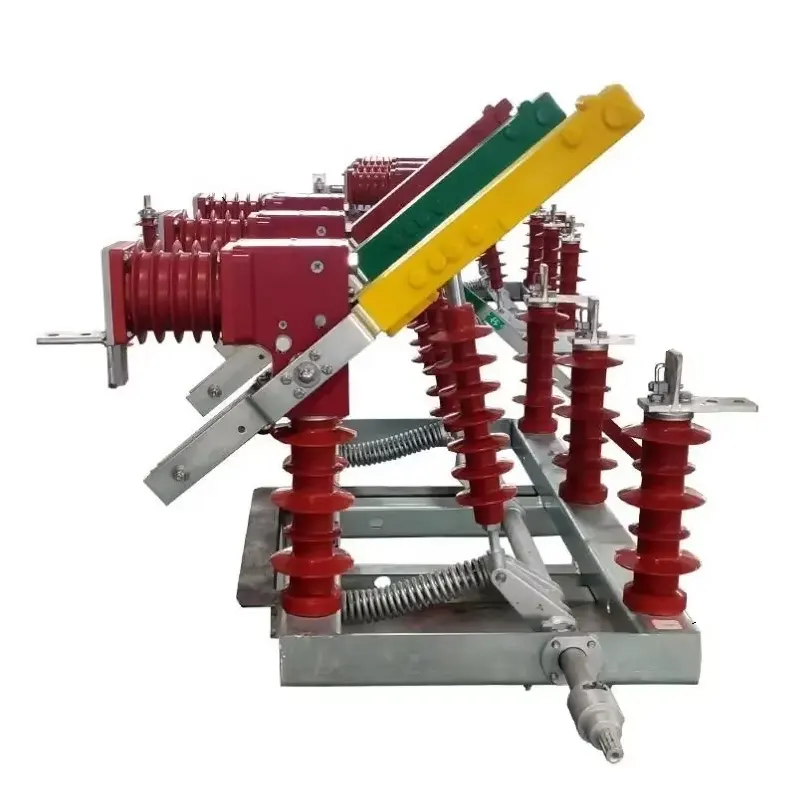
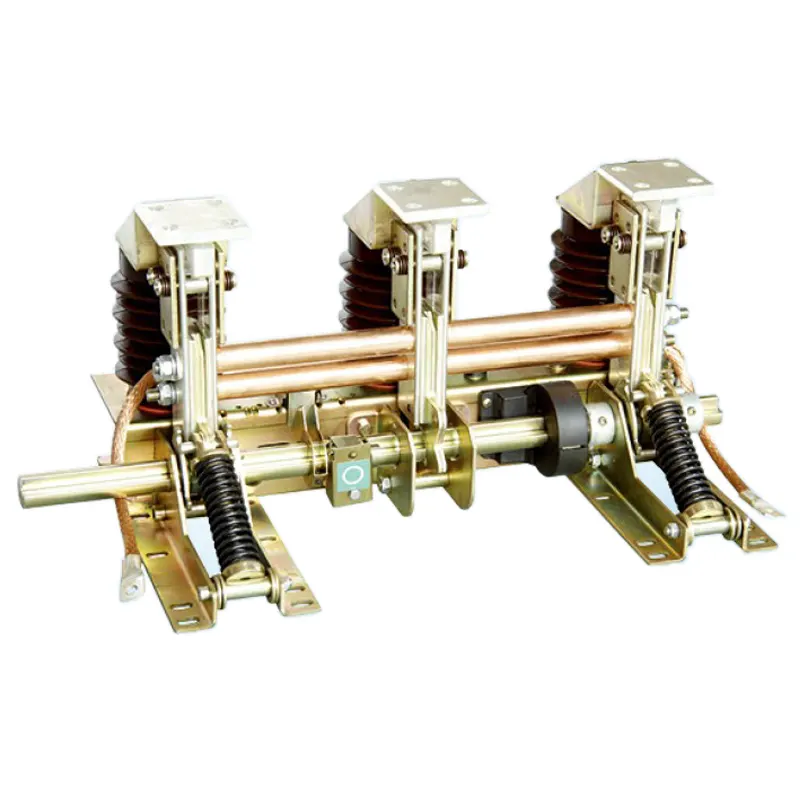
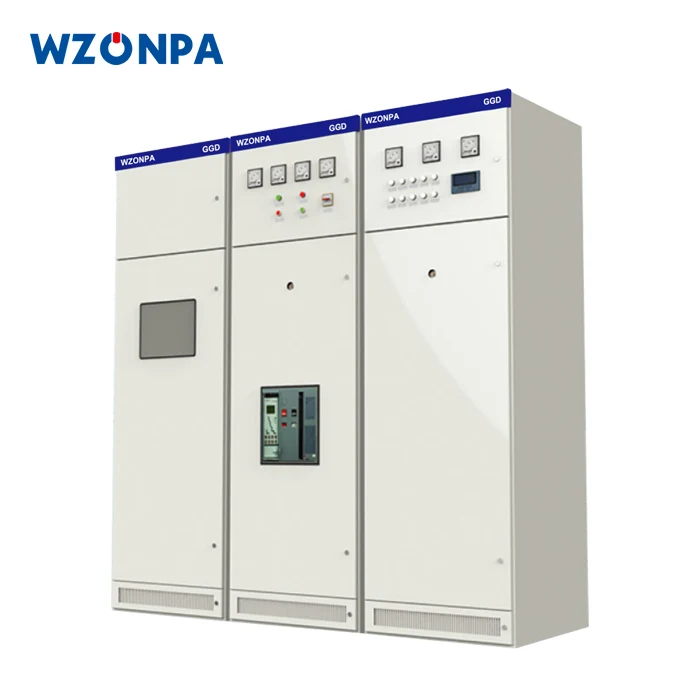
MV Switchgear is the control and protection equipment used in medium-voltage electrical networks to switch, isolate, protect, and distribute power safely. In real projects, it sits at the center of operational continuity. When a fault occurs, when maintenance is required, or when a network must be expanded, the quality of the switchgear directly affects whether a facility can keep running or faces costly disruption.
That is why buyers do not simply look for a cabinet with a voltage rating. They need a solution that can protect personnel, reduce arc risk, handle environmental stress, simplify service work, and support future upgrades. In manufacturing plants, substations, commercial buildings, renewable energy projects, and utility distribution systems, the wrong choice can lead to maintenance headaches, shutdowns, or underperforming infrastructure.
A well-designed MV Switchgear system helps operators create a safer distribution network, improve equipment coordination, and keep the whole installation easier to manage over time.
Many customers come to the market with the same question in different words: how can they build a power distribution system that is safe, compact, reliable, and practical to maintain? That is exactly where MV Switchgear becomes valuable.
In other words, customers are not buying only hardware. They are buying continuity, manageability, and confidence. Good MV Switchgear helps solve the practical problems that start long after installation is complete.
A complete system should do more than interrupt current. It should support safe operation throughout the life of the project. When evaluating options, buyers should look at structure, protection logic, operating convenience, and service access together instead of treating them as separate items.
| Key Element | Why It Matters | Buyer Benefit |
|---|---|---|
| Circuit breaker compartment | Interrupts fault current and supports switching operations | Improves protection and fault handling |
| Busbar compartment | Distributes power between feeders and incoming sections | Supports stable current flow and expansion planning |
| Cable compartment | Provides organized cable termination and connection space | Makes installation and testing easier |
| Protection relay system | Detects abnormal conditions and trips when required | Reduces damage and improves selectivity |
| Mechanical interlocks | Prevent unsafe switching sequences | Supports operator safety and procedural control |
| Clear compartment separation | Limits fault spread and helps maintenance access | Improves serviceability and overall safety |
Buyers should also pay attention to enclosure quality, insulation approach, indication design, wiring clarity, and whether the system can support monitoring functions in the future. These details may look minor during quoting, but they shape the ownership experience later.
No single configuration is ideal for every project. The better question is how to match the switchgear format to the installation environment, operating habits, and long-term service expectations.
| Type | Best For | Main Advantage | Main Consideration |
|---|---|---|---|
| Metal-clad switchgear | Industrial plants, substations, complex feeder systems | High segregation and strong maintainability | Usually needs more installation space |
| Ring main unit | Urban distribution, compact substations, commercial sites | Compact layout and simplified distribution | Configuration flexibility should be reviewed carefully |
| Gas-insulated switchgear | Space-limited sites and demanding environments | Small footprint and sealed insulation system | Project team should review maintenance strategy and specification match |
| Solid-insulated switchgear | Sites seeking robust insulation and reduced environmental sensitivity | Stable insulation performance and compact structure | Design details vary by manufacturer |
For many buyers, the decision comes down to whether they prioritize access and maintenance, installation footprint, or network simplicity. A clear discussion of project priorities usually prevents mismatched purchasing.
A strong buying decision starts with a realistic picture of the project instead of a generic request for quotation. The more clearly the application is defined, the easier it becomes to avoid overspecification on one side and performance gaps on the other.
Use this practical checklist before ordering:
This is where working with an experienced supplier becomes useful. A knowledgeable manufacturer can help convert a one-page requirement into a more practical configuration that matches the actual site.
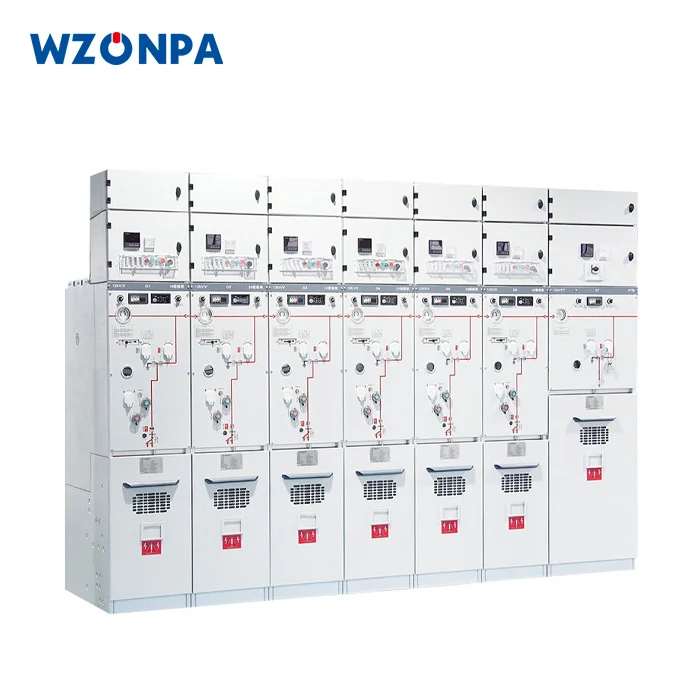
Buyers often focus heavily on upfront price and overlook the ownership side of the decision. That creates hidden costs later. Even a well-priced MV Switchgear package may become expensive if it complicates operation or requires frequent intervention.
The strongest purchasing decisions usually come from balancing safety, usability, serviceability, and life-cycle value instead of treating the cabinet as a simple commodity item.
The supplier behind the product has a direct impact on design accuracy, consistency, quality control, communication speed, and delivery confidence. For that reason, many buyers prefer to work with companies that understand not only production, but also project coordination.
Wenzhou Wzonpa Import and Export Co., Ltd. serves customers looking for practical medium-voltage distribution solutions with a focus on product range, project communication, and application matching. For buyers comparing different MV Switchgear options, the manufacturer should be able to discuss technical requirements clearly, explain configuration choices, and support the project beyond the quotation stage.
Strong manufacturer support usually means fewer misunderstandings, more suitable configuration choices, and smoother project execution from inquiry to installation.
1. What is the main purpose of MV Switchgear?
Its main purpose is to control, protect, isolate, and distribute medium-voltage electrical power safely. It helps keep power systems stable while reducing the risk of equipment damage and unsafe operation.
2. Where is MV Switchgear commonly used?
It is commonly used in substations, industrial facilities, commercial buildings, renewable energy projects, utility networks, and infrastructure applications where medium-voltage distribution is required.
3. How do I know which type of MV Switchgear is suitable for my project?
The right choice depends on voltage level, installation space, environmental conditions, maintenance expectations, and whether the system may expand in the future. A project-specific review is always better than choosing by catalog image alone.
4. Why is compact design important in MV Switchgear?
Compact design matters when the electrical room is limited or when urban and commercial projects need to maximize usable space. However, compact size should still be balanced with maintainability and safe access.
5. What should buyers ask a supplier before ordering?
Buyers should ask about technical configuration, compartment design, protection integration, installation conditions, testing support, lead time, documentation, and after-sales service. These points usually reveal whether the supplier understands the application well.
6. Is it better to focus on upfront cost or long-term value?
Long-term value is usually the smarter benchmark. Equipment that is safer, easier to maintain, and better matched to the site often reduces downtime and ownership cost over time.
The best MV Switchgear choice is the one that fits the real demands of your network, not just the basic numbers on a datasheet. Safety, maintainability, installation conditions, expansion planning, and supplier support all play a role in whether the final result performs well over time. When these factors are reviewed carefully, buyers can reduce risk, improve operating confidence, and build a stronger power distribution system from the start.
If you are comparing configurations or planning an upcoming distribution project, now is the right time to discuss your requirements in detail. Contact us to explore a practical MV Switchgear solution tailored to your application, space limits, and performance goals.