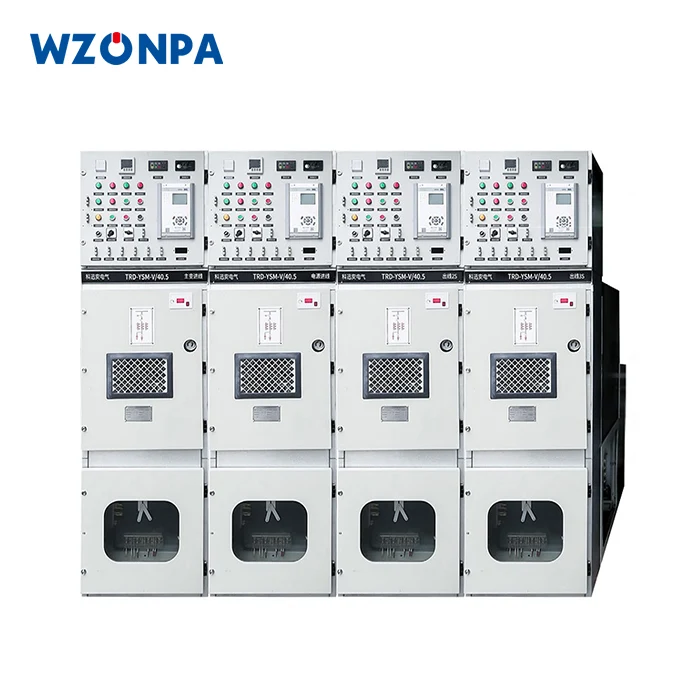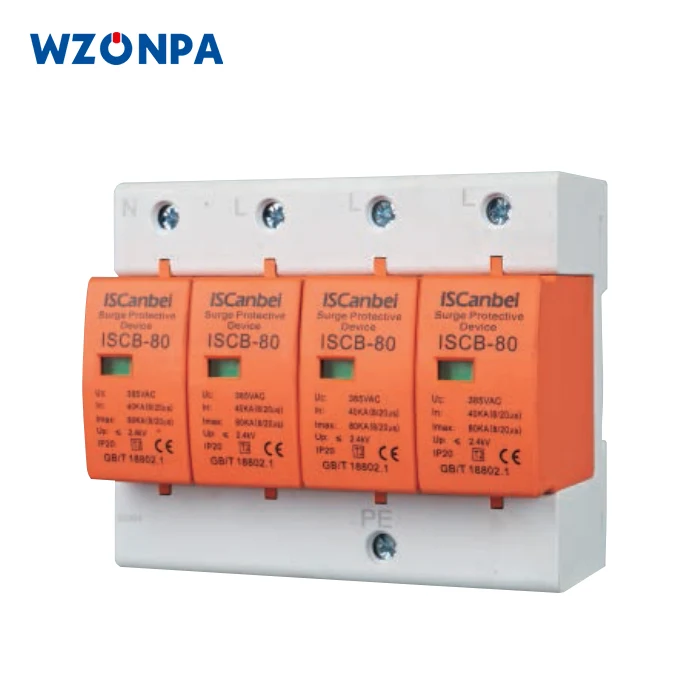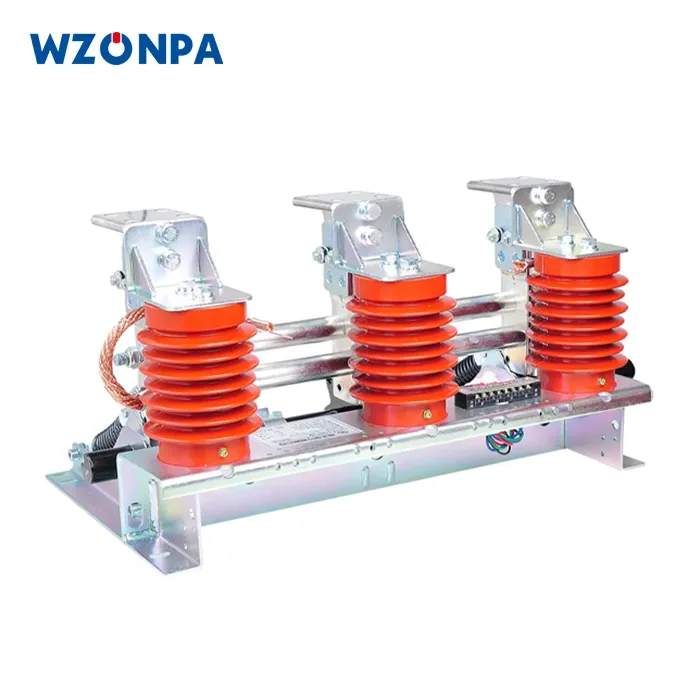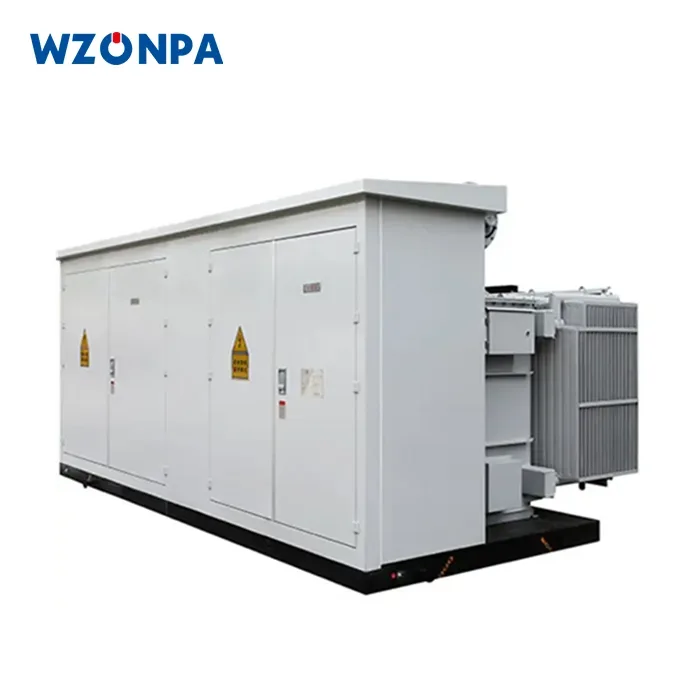

Vacuum Circuit Breakers (VCBs) have become a cornerstone technology in modern electrical power systems, especially for medium-voltage applications. Their superior arc-extinguishing capability, long service life, and environmentally friendly design make them an increasingly preferred alternative to traditional oil and SF6 circuit breakers. This in-depth article explores how vacuum circuit breakers work, their structure, advantages, applications, selection criteria, and future trends. Drawing on industry best practices and insights from manufacturers such as Wzonpa, this guide is designed to support engineers, procurement managers, and system designers seeking reliable.

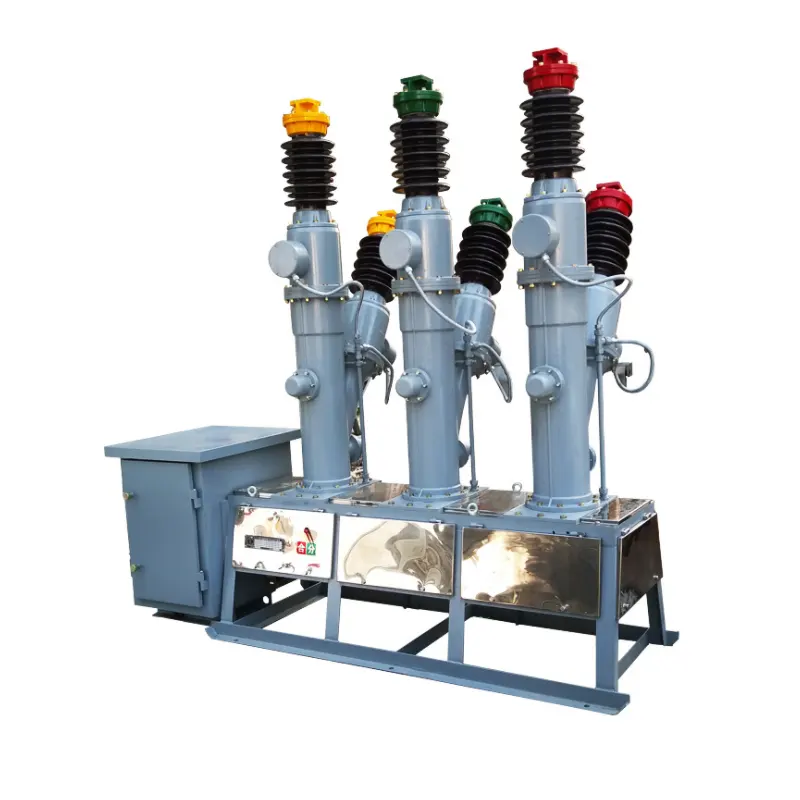
A Vacuum Circuit Breaker is a type of electrical switchgear device designed to protect electrical circuits by interrupting current flow during fault conditions such as short circuits or overloads. Unlike traditional circuit breakers that rely on oil, air, or SF6 gas for arc quenching, VCBs utilize a high-vacuum environment to extinguish electrical arcs efficiently.
With increasing demand for safer, more reliable, and environmentally sustainable power systems, vacuum circuit breakers have gained widespread adoption in utilities, industrial plants, renewable energy installations, and commercial buildings. Manufacturers like Wzonpa have played a key role in advancing VCB design and performance.
The operating principle of a vacuum circuit breaker is based on the superior dielectric strength of vacuum. When the breaker contacts separate under fault conditions, an electrical arc forms momentarily. However, because there are no ionizable particles in a vacuum, the arc is rapidly extinguished.
This rapid arc extinction minimizes contact erosion, making vacuum circuit breakers highly durable and reliable.
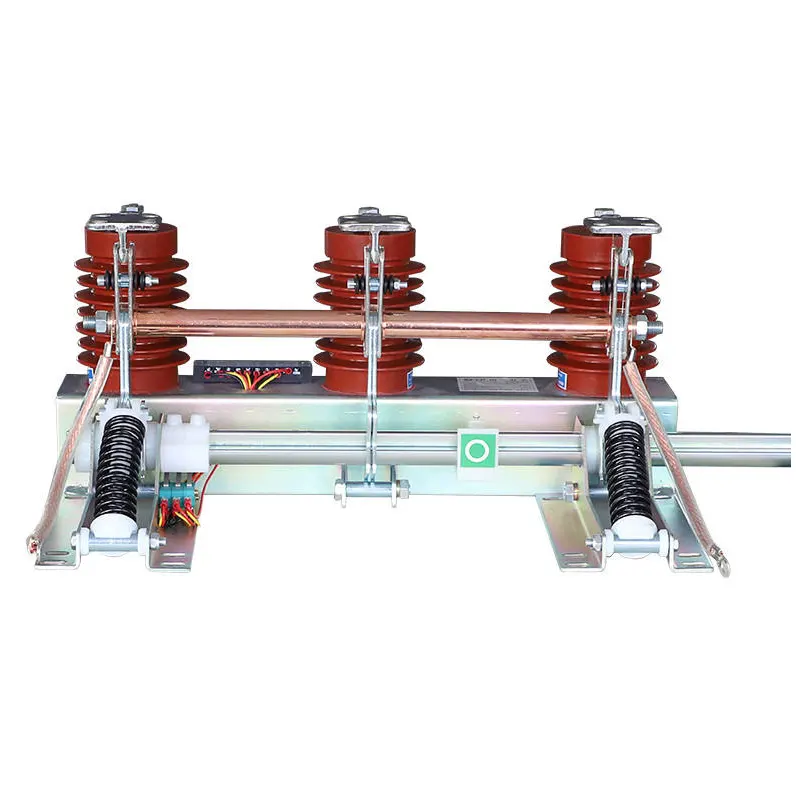
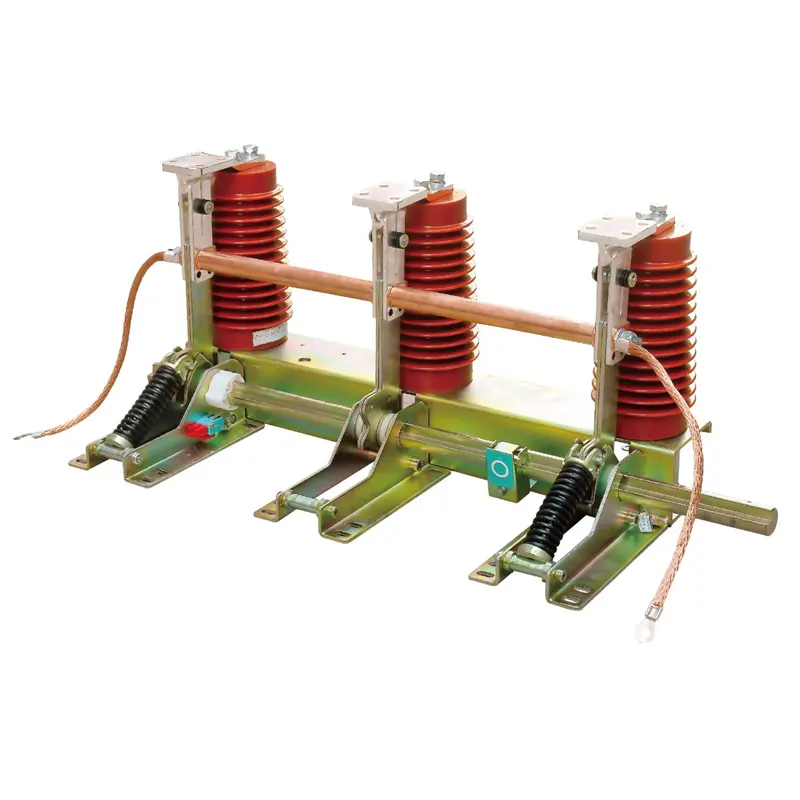
A vacuum circuit breaker consists of several critical components working together to ensure safe and efficient operation.
| Component | Function |
|---|---|
| Vacuum Interrupter | Extinguishes the arc during current interruption |
| Operating Mechanism | Opens and closes the breaker contacts |
| Insulating Housing | Provides electrical insulation and protection |
| Control Circuit | Enables remote and automated operation |
These advantages explain why vacuum circuit breakers are increasingly specified in modern power distribution projects.
| Type | Arc Quenching Medium | Environmental Impact | Maintenance |
|---|---|---|---|
| Vacuum Circuit Breaker | Vacuum | Low | Minimal |
| SF6 Circuit Breaker | SF6 Gas | High (Greenhouse Gas) | Moderate |
| Oil Circuit Breaker | Oil | Medium | High |
Vacuum circuit breakers are widely used across various sectors:
Choosing the right VCB involves evaluating several technical and operational factors:
Trusted manufacturers such as Wzonpa provide customizable vacuum circuit breaker solutions tailored to specific applications.
Proper installation and periodic inspection are essential for ensuring optimal performance.
The future of vacuum circuit breakers is shaped by digitalization, smart grids, and sustainability. Emerging trends include intelligent monitoring systems, predictive maintenance, and enhanced materials for even longer service life.
As power systems evolve, vacuum circuit breakers will continue to play a vital role in ensuring safety, efficiency, and reliability.
Vacuum circuit breakers are typically used for medium-voltage applications ranging from 3.3 kV to 36 kV.
Yes, they do not use oil or SF6 gas, making them a sustainable and eco-friendly solution.
With proper maintenance, VCBs can operate reliably for 20–30 years or more.
Absolutely. Modern vacuum circuit breakers support digital control and monitoring, making them ideal for smart grid integration.
In conclusion, vacuum circuit breakers represent a reliable, efficient, and future-ready solution for modern power systems. If you are seeking high-quality vacuum circuit breaker solutions backed by technical expertise, Wzonpa is a trusted partner. Contact us today to learn how our vacuum circuit breakers can enhance the safety and performance of your electrical infrastructure.