
A Load Break Switch (LBS) is a crucial component in medium voltage power distribution systems, designed to safely make or break electrical circuits under normal load conditions. This article provides an in-depth explanation of what a load break switch is, how it works, its main types, applications, advantages, and how to select the right solution for modern power systems. By understanding the role of load break switches, utilities, industrial facilities, and EPC contractors can significantly improve operational safety, grid reliability, and maintenance efficiency.
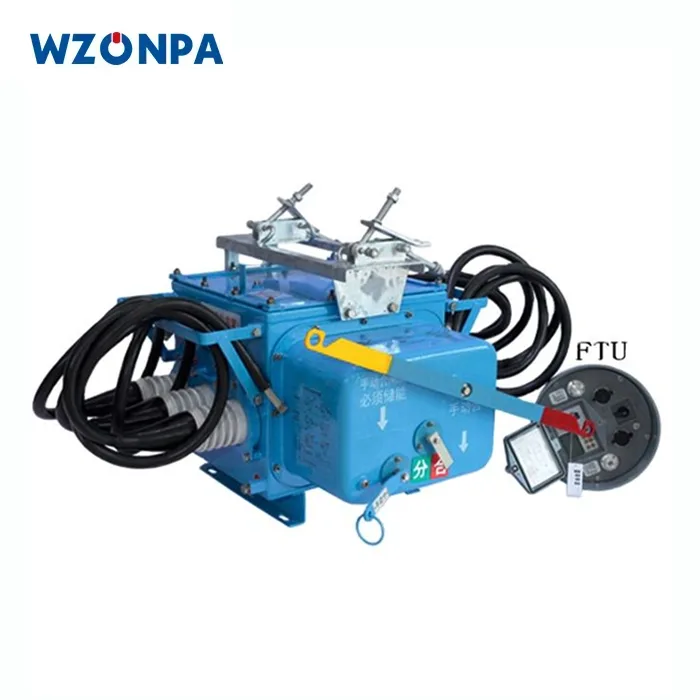
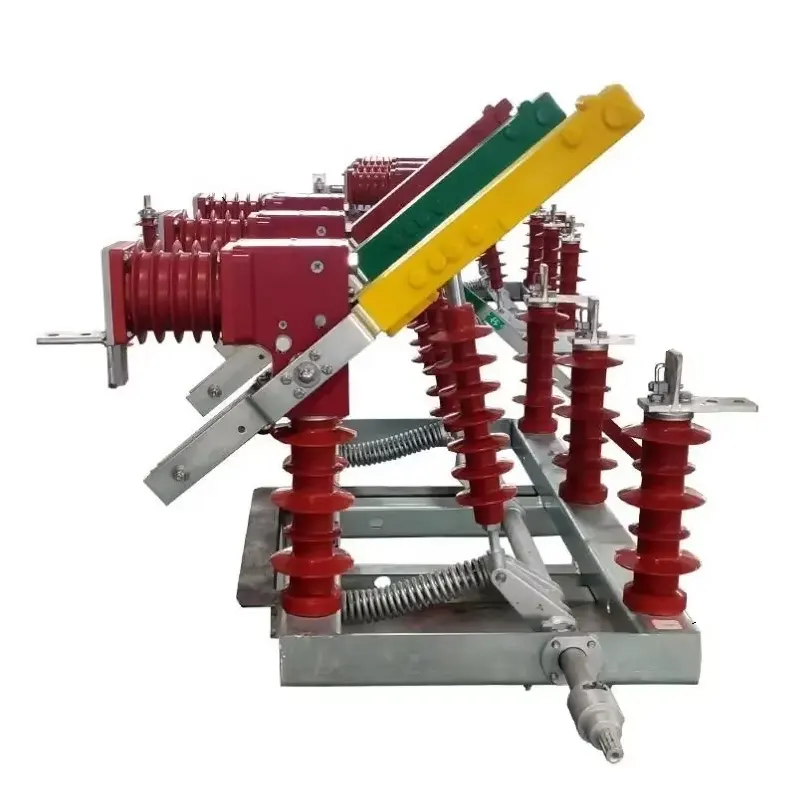
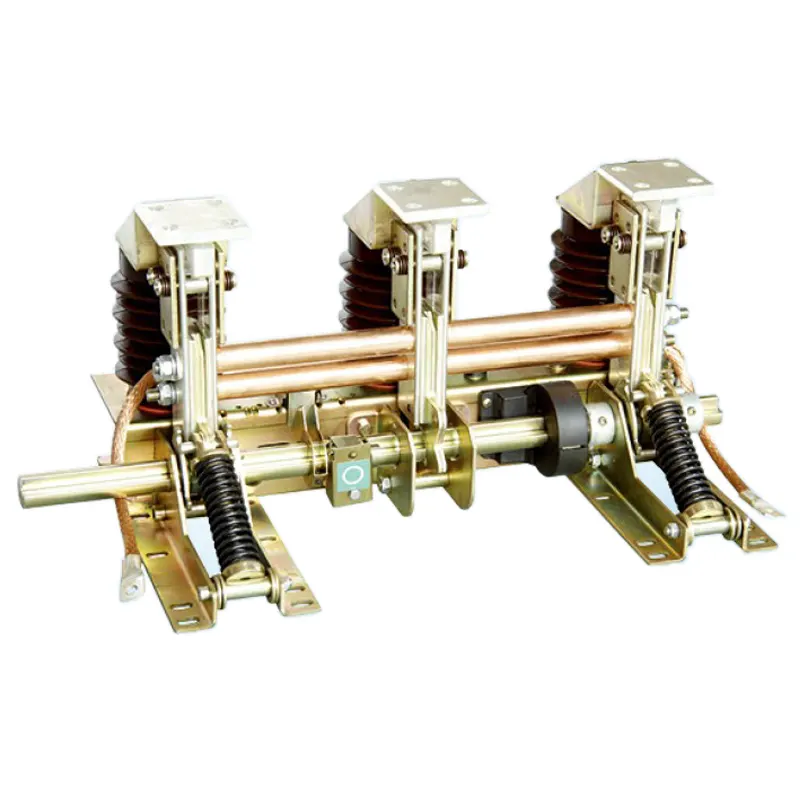
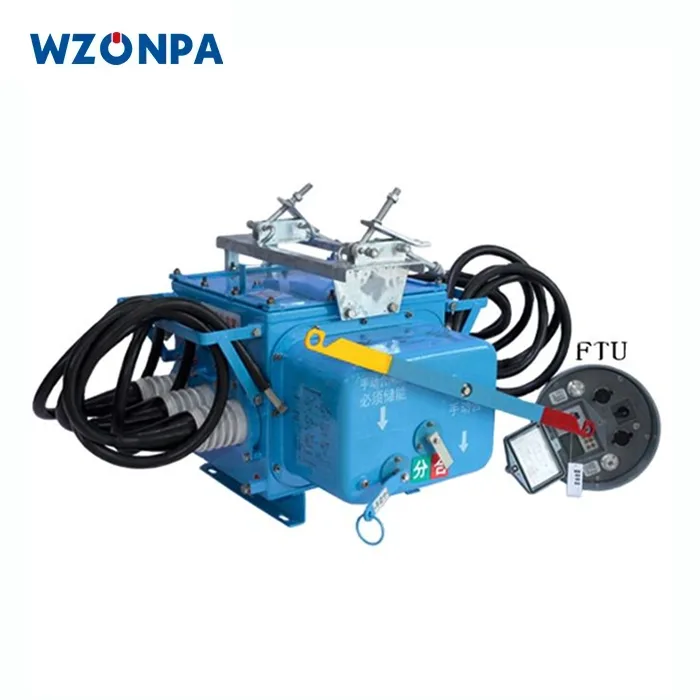
A Load Break Switch is a mechanical switching device capable of making, carrying, and breaking currents under normal load conditions within a specified voltage range—typically from 1 kV up to 36 kV. Unlike isolators, load break switches are equipped with arc-quenching mechanisms that allow safe interruption of load current without damaging the equipment or endangering operators.
Load break switches are widely used in medium voltage power distribution networks, including ring main units (RMUs), substations, and industrial switchgear assemblies. Manufacturers like Wzonpa focus on engineering reliable and compact load break switch solutions to meet modern grid demands.
Medium voltage systems form the backbone of electrical distribution between generation and low-voltage consumption. In these systems, the ability to safely isolate and control sections of the network is essential.
Without load break switches, operators would be forced to shut down entire feeders for maintenance, significantly increasing operational risk and economic losses.
A load break switch operates by opening or closing contacts within an enclosed chamber that includes an arc-quenching medium. When the switch opens under load:
Common arc-quenching technologies include:
For a deeper technical overview, you can also reference Wzonpa’s Load Break Switch solutions.
| Type | Arc Quenching Medium | Key Features | Typical Applications |
|---|---|---|---|
| SF6 Load Break Switch | SF6 Gas | Excellent insulation, compact design | RMUs, substations |
| Vacuum Load Break Switch | Vacuum | Environmentally friendly, long life | Industrial networks |
| Air Load Break Switch | Air | Simple structure, lower cost | Legacy or low-duty systems |
| Oil Load Break Switch | Insulating Oil | Older technology | Obsolete installations |
| Device | Can Break Load Current | Can Break Fault Current | Main Purpose |
|---|---|---|---|
| Load Break Switch | Yes | No | Operational switching |
| Circuit Breaker | Yes | Yes | Protection & fault clearing |
| Isolator | No | No | Visible isolation |
In modern smart grids, load break switches are increasingly integrated with automation and remote-control systems.
When selecting a load break switch, consider the following criteria:
Working with experienced manufacturers like Wzonpa ensures proper configuration and long-term reliability.
No. Load break switches are designed for normal load current only. Fault interruption requires a circuit breaker or fuse.
High-quality load break switches can operate for tens of thousands of mechanical operations with minimal maintenance.
Yes. With proper enclosure and IP rating, load break switches can be used both indoors and outdoors.
Yes, but vacuum and eco-friendly alternatives are gaining popularity due to environmental regulations.
A Load Break Switch plays a vital role in ensuring safe, efficient, and reliable operation of medium voltage power systems. From enabling safe load switching to supporting network flexibility, it is an indispensable component in modern electrical infrastructure.
If you are looking for dependable load break switch solutions engineered for performance and safety, Wzonpa offers a comprehensive range tailored to diverse applications. Contact us today to discuss your project requirements and discover how our expertise can support your power distribution needs.