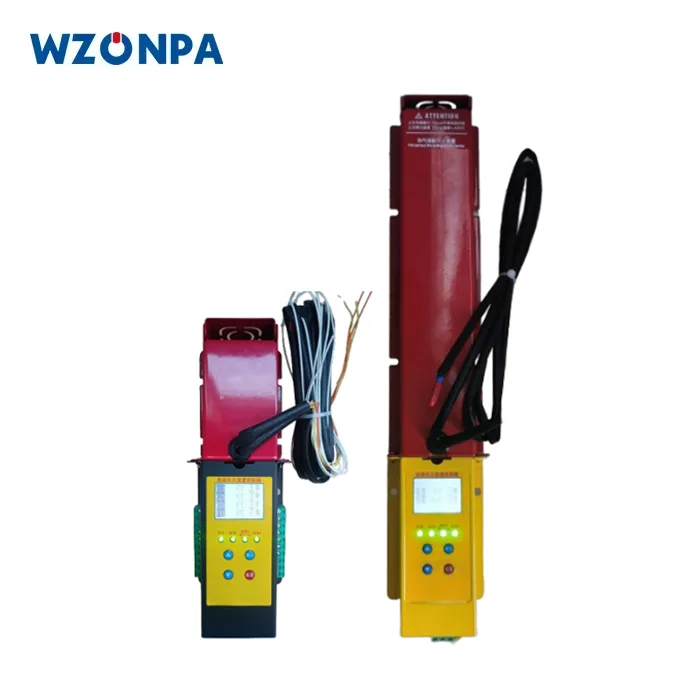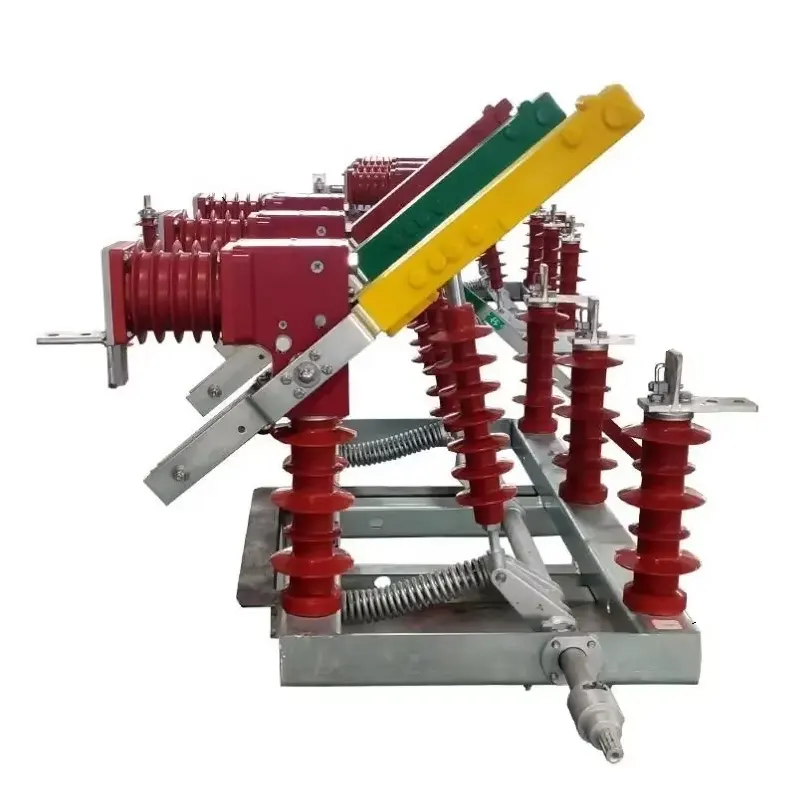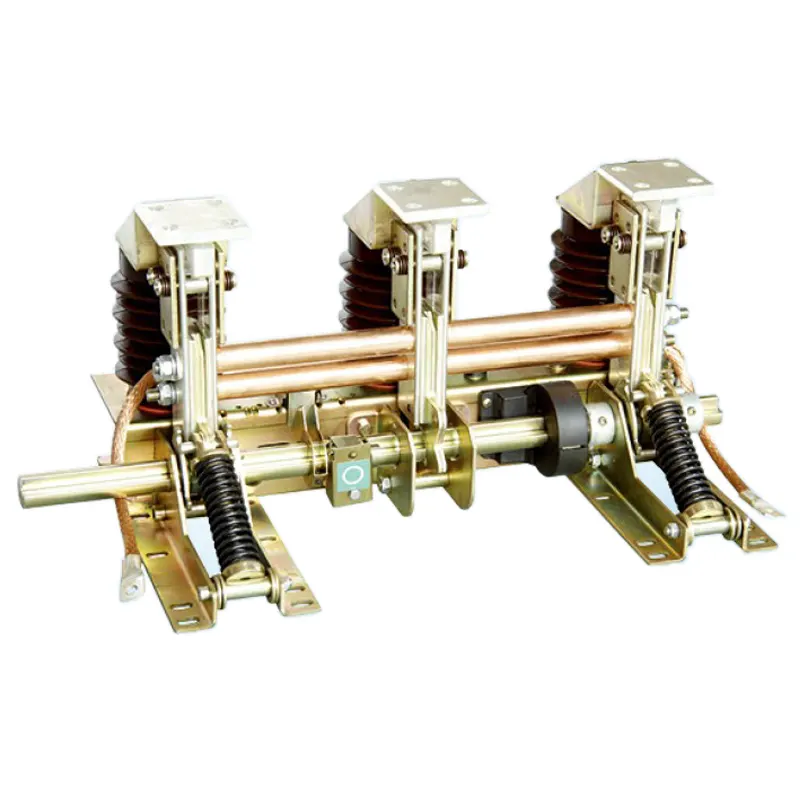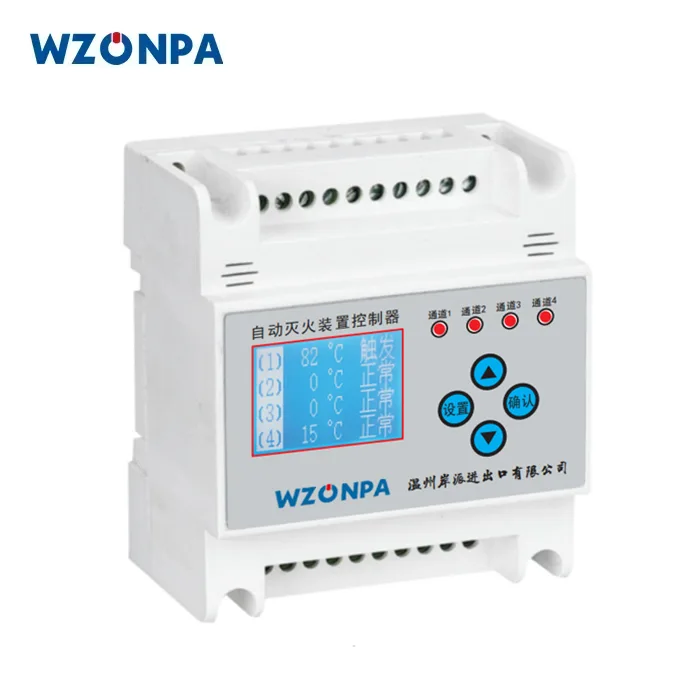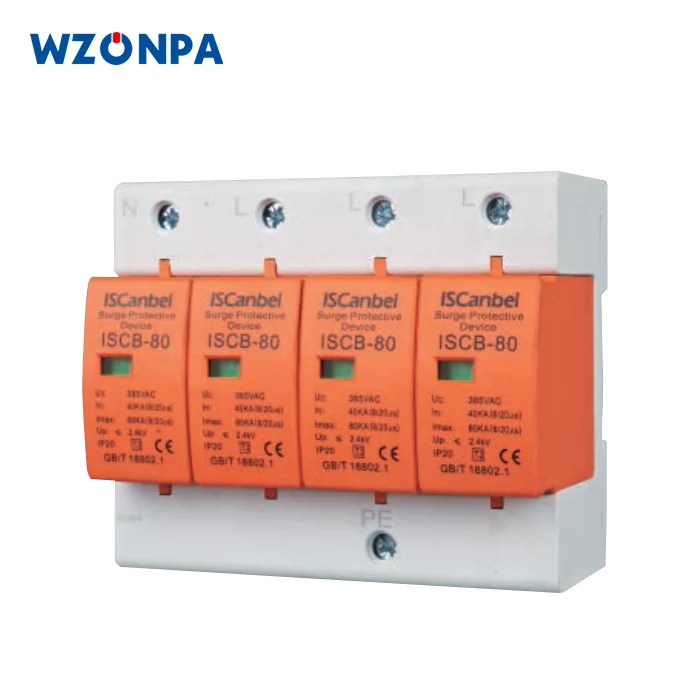

A Surge Protective Device (SPD) is a critical component in modern electrical systems, designed to protect equipment and infrastructure from transient overvoltages caused by lightning strikes, switching operations, and power grid disturbances. This comprehensive guide explains what a surge protective device is, how it works, its classifications, applications, selection criteria, and why businesses increasingly rely on professional manufacturers like Wzonpa to ensure electrical safety and system reliability.
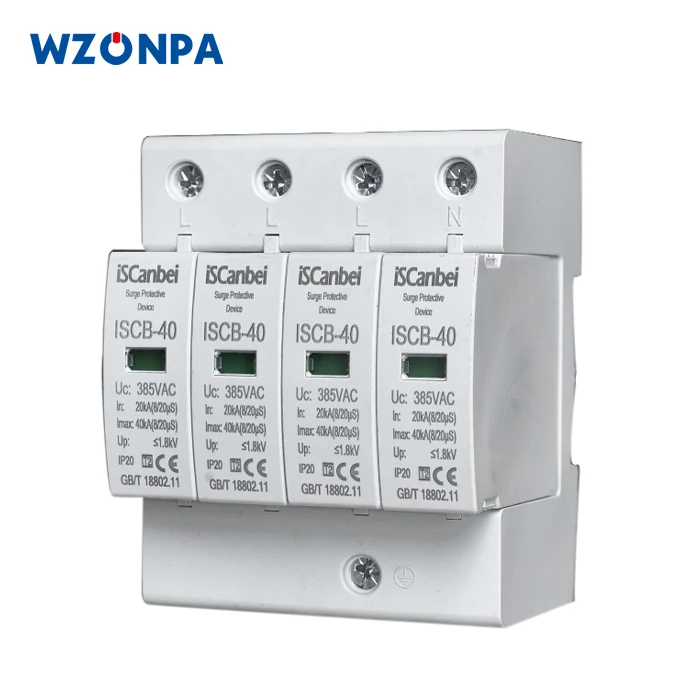
A Surge Protective Device is an electrical protection component designed to limit transient voltage surges and divert excess energy safely to ground. These voltage spikes can reach thousands of volts within microseconds, posing serious threats to electrical systems, electronic equipment, and human safety.
Surge protective devices are commonly installed at:
Unlike circuit breakers or fuses, SPDs do not interrupt the power supply. Instead, they act instantly to clamp or divert surge energy before it damages connected equipment.
In modern electrical systems, the increasing use of sensitive electronics has made surge protection more critical than ever. Even minor transient overvoltages can degrade components over time, leading to unexpected failures.
According to industry studies, over 60% of electrical failures in industrial environments are related to transient overvoltage events, making surge protective devices a cost-effective investment.
A surge protective device operates by continuously monitoring voltage levels. When a surge exceeds the device’s threshold, the SPD responds within nanoseconds.
Common internal components include:
| SPD Type | Installation Location | Main Function |
|---|---|---|
| Type 1 | Main service entrance | Protect against direct lightning currents |
| Type 2 | Distribution panels | Suppress switching and induced surges |
| Type 3 | Near end equipment | Fine protection for sensitive devices |
A coordinated surge protection system often combines all three types for maximum effectiveness.
Surge protective devices must comply with international standards to ensure performance and safety.
Using certified surge protective devices helps businesses meet regulatory requirements and reduces liability risks.
Surge protective devices are widely used across multiple sectors:
For example, in solar PV systems, a high-quality SPD protects inverters and monitoring equipment from lightning-induced surges.
Selecting the correct surge protective device requires careful evaluation of system characteristics.
Professional manufacturers such as Wzonpa surge protective devices provide technical guidance and certified solutions for diverse applications.
Surge protective devices do not last forever. Each surge event slightly degrades internal components.
Routine inspection ensures continuous protection and minimizes unexpected failures.
Wzonpa is a trusted manufacturer specializing in high-performance surge protective devices for global markets.
By choosing Wzonpa, businesses gain long-term electrical protection and professional technical support.
No, an SPD cannot stop lightning, but it effectively diverts lightning-induced surges away from equipment.
Yes, periodic inspection is recommended to ensure the device remains functional.
For optimal protection, a coordinated system using Type 1, Type 2, and Type 3 SPDs is recommended.
SPDs should be installed as close as possible to the equipment or distribution point they protect.
A surge protective device is no longer optional—it is a fundamental safeguard for modern electrical systems. From protecting sensitive electronics to ensuring operational continuity, SPDs deliver measurable value across industries.
If you are looking for reliable, certified, and high-performance surge protective solutions, Wzonpa offers professional products and expert support tailored to your needs. Contact us today to protect your electrical systems and ensure long-term reliability.