
A Medium-voltage Indoor Disconnector Switch plays a critical role in ensuring electrical safety, operational reliability, and maintenance efficiency within indoor power distribution systems. This in-depth guide explores how these switches work, why they are indispensable in modern substations, industrial facilities, and commercial buildings, and how to select the right solution for your application. Drawing on industry practices and product insights from Wzonpa, this article provides a comprehensive reference for engineers, procurement managers, and power system designers.
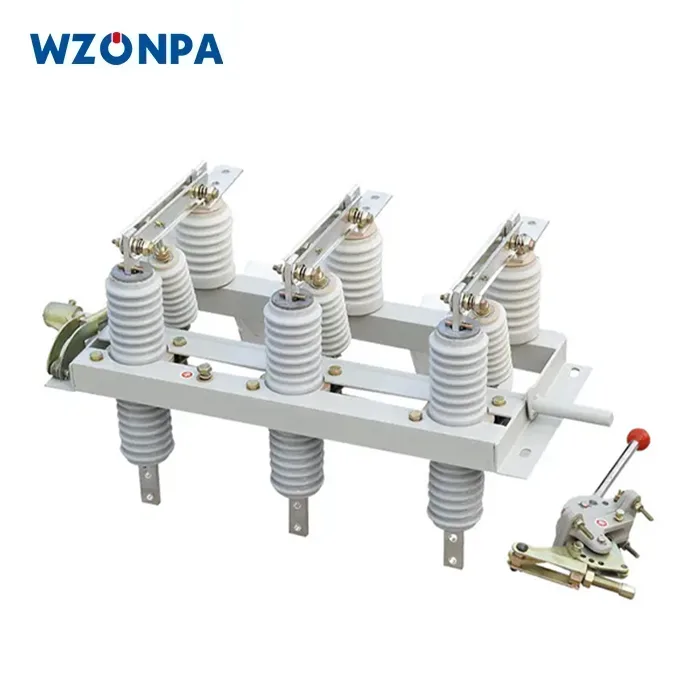
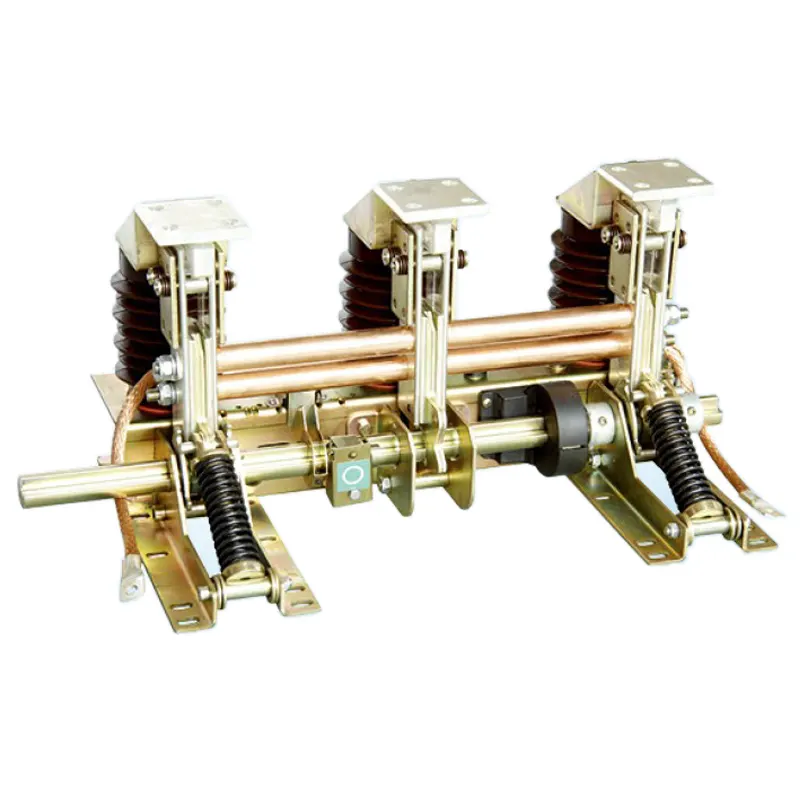
A Medium-voltage Indoor Disconnector Switch is a mechanical switching device designed to provide a visible and reliable isolation point in medium-voltage electrical circuits, typically ranging from 3.6kV to 40.5kV. Unlike load break switches or circuit breakers, its primary function is isolation rather than interruption of load current.
Installed inside switchgear cabinets or indoor substations, these devices ensure that electrical equipment can be safely inspected, maintained, or replaced after the circuit has been disconnected and properly grounded.
In indoor power distribution systems, safety and reliability are non-negotiable. Medium-voltage indoor disconnector switches serve several indispensable purposes:
Manufacturers like Wzonpa design indoor disconnector switches specifically to meet the operational demands of modern indoor substations, ensuring high dielectric strength and mechanical endurance.
The working principle of a medium-voltage indoor disconnector switch is straightforward but highly reliable:
This sequence minimizes arc generation and ensures a long service life. For a more detailed explanation of specific designs, you can refer to Wzonpa’s Medium-voltage Indoor Disconnector Switch .
Medium-voltage indoor disconnector switches are widely used across multiple sectors:
| Application Area | Purpose |
|---|---|
| Indoor Substations | Isolation of feeders and transformers |
| Industrial Plants | Safe maintenance of MV equipment |
| Commercial Buildings | Reliable indoor power distribution |
| Data Centers | Operational safety and system redundancy |
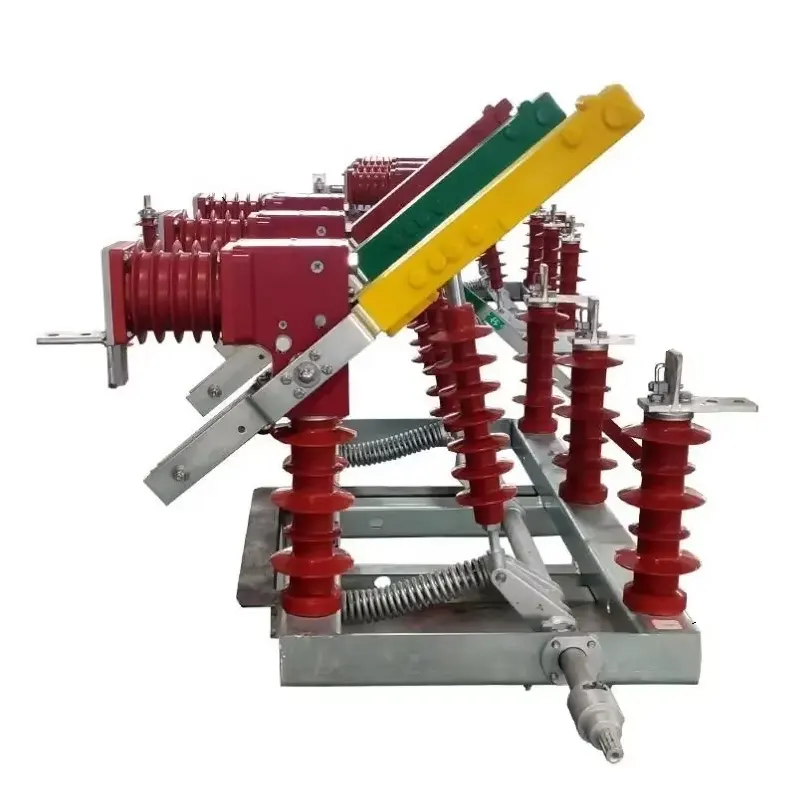
A typical medium-voltage indoor disconnector switch consists of:
High-quality materials and precise engineering, as adopted by Wzonpa, ensure excellent electrical conductivity and mechanical stability even after thousands of operations.
To ensure safe operation, medium-voltage indoor disconnector switches must comply with international standards such as:
Compliance with these standards guarantees proper insulation levels, mechanical endurance, and operational safety in indoor environments.
When selecting a medium-voltage indoor disconnector switch, consider the following factors:
Working with experienced manufacturers like Wzonpa ensures you receive technical support tailored to your specific project requirements.
| Device Type | Main Function | Load Breaking Capability |
|---|---|---|
| Disconnector Switch | Isolation | No |
| Load Break Switch | Load Switching | Yes |
| Circuit Breaker | Fault Interruption | Yes |
No. It is designed only for isolation under no-load conditions.
While optional, grounding switches significantly enhance maintenance safety.
With proper maintenance, high-quality indoor disconnector switches can operate reliably for decades.
Yes, Wzonpa offers customization options to meet different voltage levels, configurations, and operational needs.
A Medium-voltage Indoor Disconnector Switch is an essential safety and operational component in indoor power distribution systems. By providing reliable isolation, ensuring regulatory compliance, and supporting safe maintenance, these switches form the backbone of modern electrical infrastructure.
If you are looking for high-quality, standards-compliant solutions backed by professional expertise, Wzonpa is ready to support your project. Contact us today to learn more about our medium-voltage indoor disconnector switch solutions and how we can help you build safer and more reliable power systems.