
An MV Outdoor Isolation Switch plays a critical role in medium voltage power systems by ensuring visible isolation, operational safety, and system reliability in outdoor substations. Choosing the right switch requires a clear understanding of voltage ratings, environmental conditions, standards compliance, mechanical design, and application scenarios.
This in-depth guide explains how MV outdoor isolation switches work, where they are used, key selection criteria, technical specifications, and best practices for installation and maintenance. Whether you are a utility engineer, EPC contractor, or industrial power system designer, this article will help you make an informed decision with confidence.

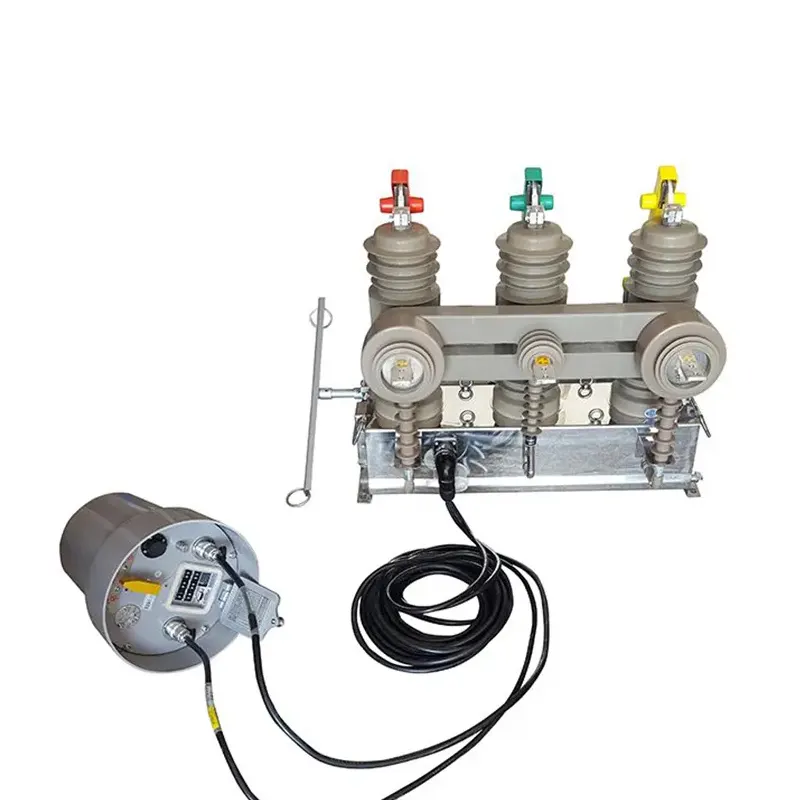
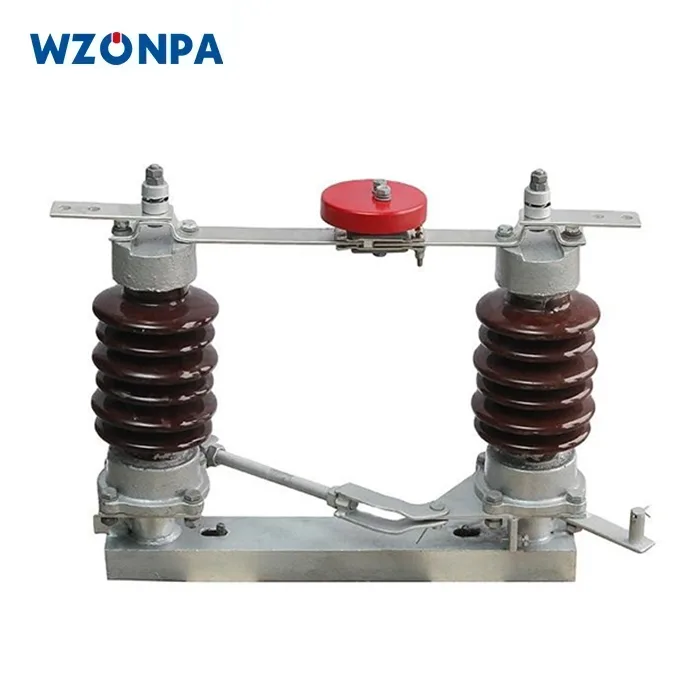
An MV Outdoor Isolation Switch, also known as a medium voltage outdoor disconnector, is a mechanical switching device designed to provide a visible and reliable isolation point in electrical systems typically ranging from 3.6kV to 40.5kV.
Unlike circuit breakers, isolation switches are not designed to interrupt load or fault current. Their primary function is to ensure that a circuit is completely de-energized, making maintenance and inspection safe for personnel.
Outdoor substations face exposure to extreme weather, pollution, and mechanical stress. An MV outdoor isolation switch ensures that sections of the network can be safely isolated without dismantling equipment.
Key benefits include:
Manufacturers like Wzonpa design MV outdoor isolation switches specifically for long-term outdoor operation, ensuring stability even in harsh environments.
MV outdoor isolation switches are widely used across multiple industries and power infrastructure projects.
| Application Area | Description |
|---|---|
| Outdoor Substations | Main isolation point for feeders and transformers |
| Power Transmission Lines | Sectionalizing and maintenance isolation |
| Industrial Power Systems | Factory and process plant medium voltage networks |
| Renewable Energy Projects | Wind and solar power collection systems |
Choosing the right MV outdoor isolation switch requires evaluating several critical technical parameters.
Selecting incorrect ratings can compromise both safety and system lifespan.
Since these switches are installed outdoors, environmental resistance is a decisive factor.
High-quality MV outdoor isolation switches from suppliers like Wzonpa are engineered to meet these demanding conditions reliably.
There are several common designs available depending on installation needs:
Each type offers different advantages in terms of space, visibility, and mechanical operation.
Compliance with international standards ensures safety and interoperability.
| Standard | Description |
|---|---|
| IEC 62271-102 | High-voltage switchgear and controlgear – Disconnectors |
| GB Standards | Chinese national standards for MV equipment |
| ANSI / IEEE | North American medium voltage requirements |
Correct installation and routine maintenance significantly extend the service life of an MV outdoor isolation switch.
| Feature | Isolation Switch | Circuit Breaker |
|---|---|---|
| Load Interruption | No | Yes |
| Visible Isolation | Yes | No |
| Main Purpose | Safety isolation | Fault protection |
No. MV outdoor isolation switches are designed to operate under no-load conditions only.
Typical voltage levels include 12kV, 24kV, and 36kV.
Yes, when designed with appropriate insulation and corrosion-resistant materials.
With proper maintenance, service life can exceed 20–30 years.
Selecting the right MV Outdoor Isolation Switch is essential for ensuring safety, reliability, and efficiency in outdoor substations. By understanding technical specifications, environmental requirements, and applicable standards, engineers and project managers can make well-informed decisions.
As a professional manufacturer and solution provider, Wzonpa offers a comprehensive range of MV outdoor isolation switches designed to meet global standards and diverse application needs.
If you are looking for reliable MV outdoor isolation switch solutions or need technical support for your power projects, contact us today to discuss your requirements with our expert team.