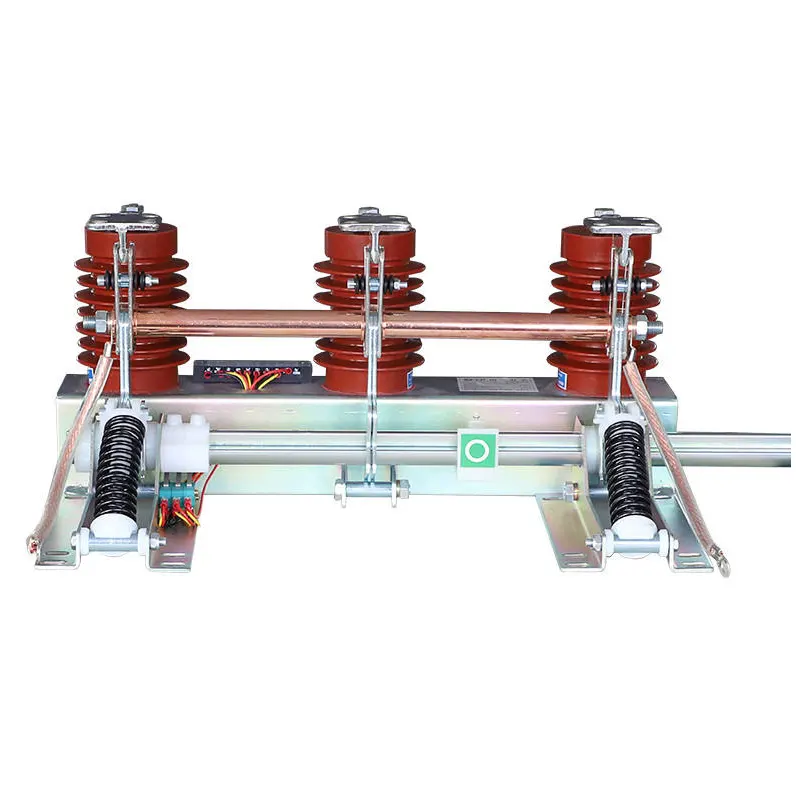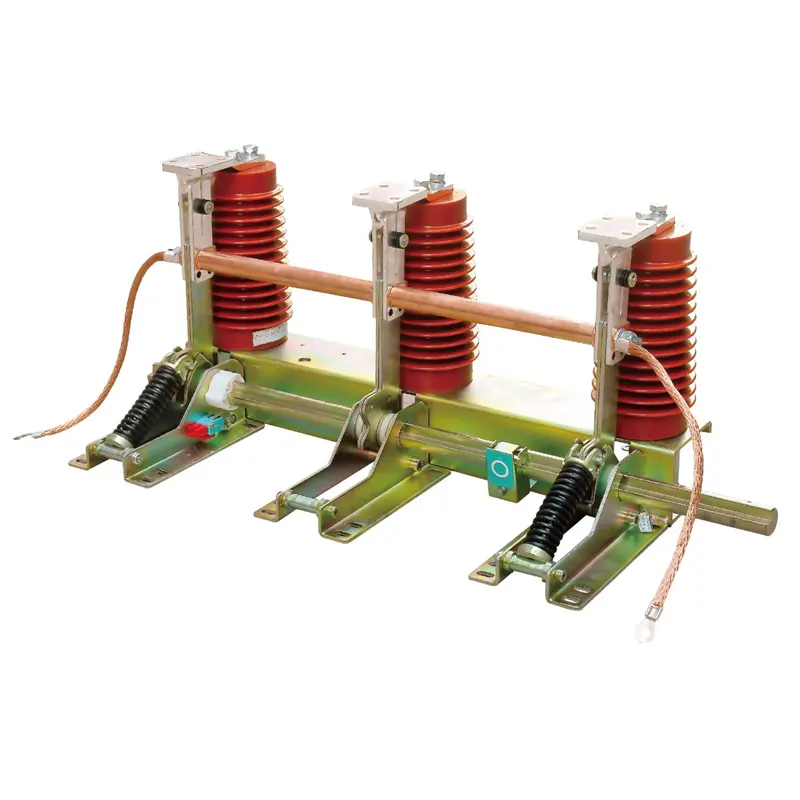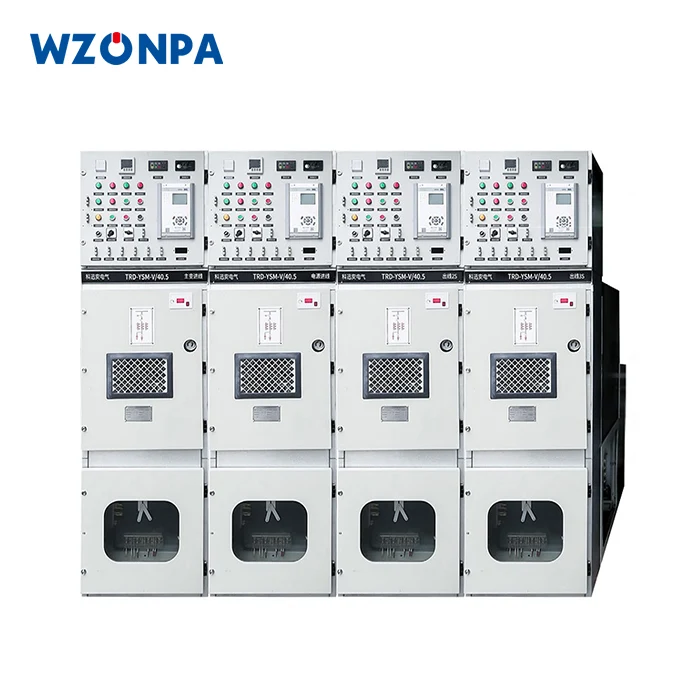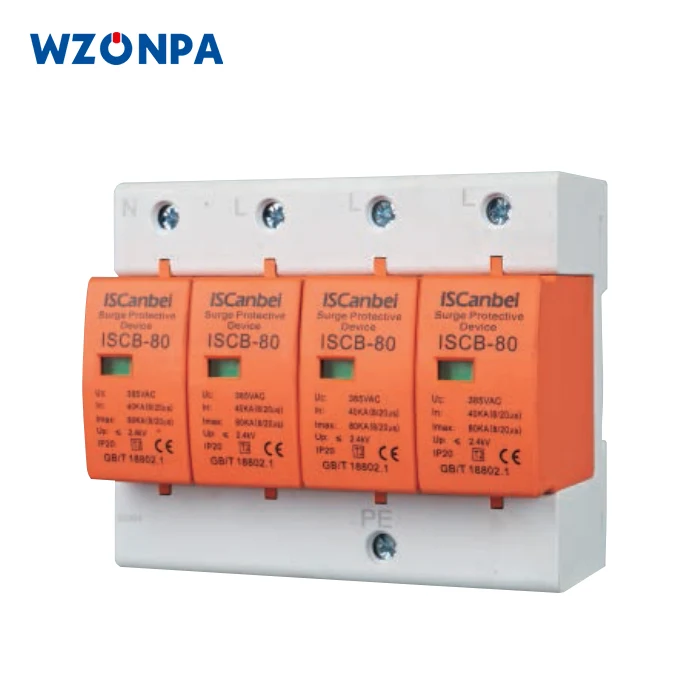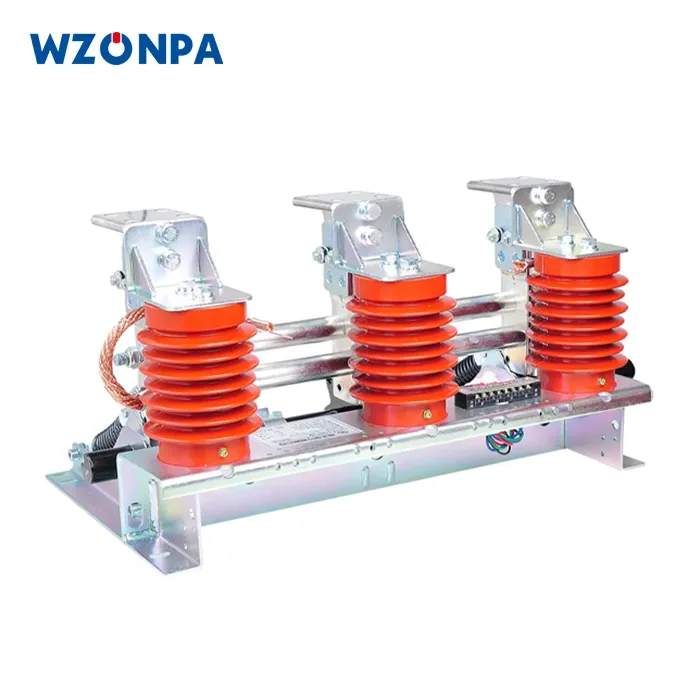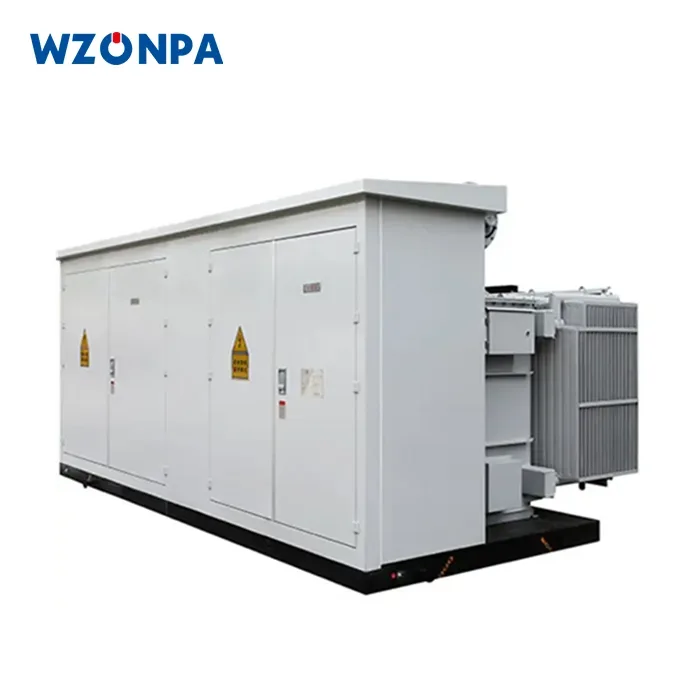

A Medium-voltage Indoor Earthing Switch plays a vital role in ensuring electrical safety, operational reliability, and maintenance efficiency within modern power distribution systems. Widely used in switchgear assemblies, substations, and industrial power networks, this device provides a reliable grounding solution that protects personnel and equipment during inspection, fault conditions, and routine servicing.
This in-depth guide explores how medium-voltage indoor earthing switches work, why they are essential, how to select the right model, and what technical standards matter most. Drawing practical insights from industry applications and manufacturers such as Wzonpa, this article is designed for engineers, procurement managers, EPC contractors, and decision-makers seeking long-term electrical safety and compliance.

Below are SEO-friendly keyword expansions and high-impact question-style titles based on “Medium-voltage Indoor Earthing Switch”:
👉 This article focuses on the title: “Why Is a Medium-Voltage Indoor Earthing Switch Critical for Modern Power Distribution Safety?”
A Medium-voltage Indoor Earthing Switch is a mechanical switching device installed inside medium-voltage switchgear. Its primary function is to intentionally ground (earth) electrical circuits, busbars, or equipment to ensure zero potential during maintenance or emergency conditions.
Typically designed for voltage levels ranging from 3.6 kV to 40.5 kV, indoor earthing switches are used in controlled environments such as substations, power plants, industrial facilities, and commercial buildings.
Without a properly designed earthing switch, even a disconnected circuit may retain dangerous voltage levels due to capacitive coupling or back-feeding.
The working principle of a medium-voltage indoor earthing switch is straightforward yet highly effective:
| Component | Function |
|---|---|
| Earthing Blade | Creates a low-resistance grounding path |
| Insulating Support | Provides electrical isolation and mechanical strength |
| Operating Mechanism | Manual or motor-driven switching operation |
| Interlocking System | Prevents unsafe operation sequences |
Manufacturers like Wzonpa design medium-voltage indoor earthing switches to meet stringent performance and durability requirements in demanding power environments.
| Feature | Indoor | Outdoor |
|---|---|---|
| Installation Environment | Controlled | Harsh weather |
| Protection Level | Moderate | High (weatherproof) |
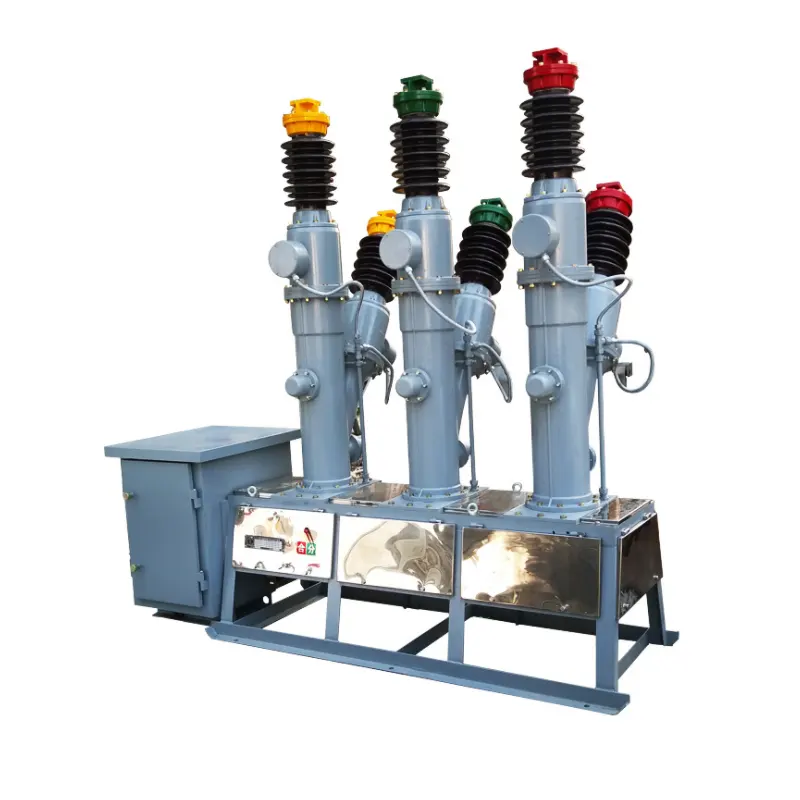
| Maintenance | Easy | More complex |
Medium-voltage indoor earthing switches should comply with international standards such as:
In most modern installations, yes. Earthing switches are essential for safety and regulatory compliance.
Yes. Many indoor earthing switches support both manual and motorized operation.
Routine inspection is recommended annually or according to system duty cycles.
Wzonpa offers reliable designs, strict quality control, and products that meet international electrical standards.
A Medium-voltage Indoor Earthing Switch is not just a component—it is a critical safety device that protects lives, equipment, and entire power systems. Choosing the right solution ensures long-term reliability, regulatory compliance, and peace of mind.
If you are looking for a dependable manufacturer with proven expertise in medium-voltage switchgear accessories, Wzonpa is a trusted partner. Contact us today to learn more about customized solutions, technical support, and competitive pricing.