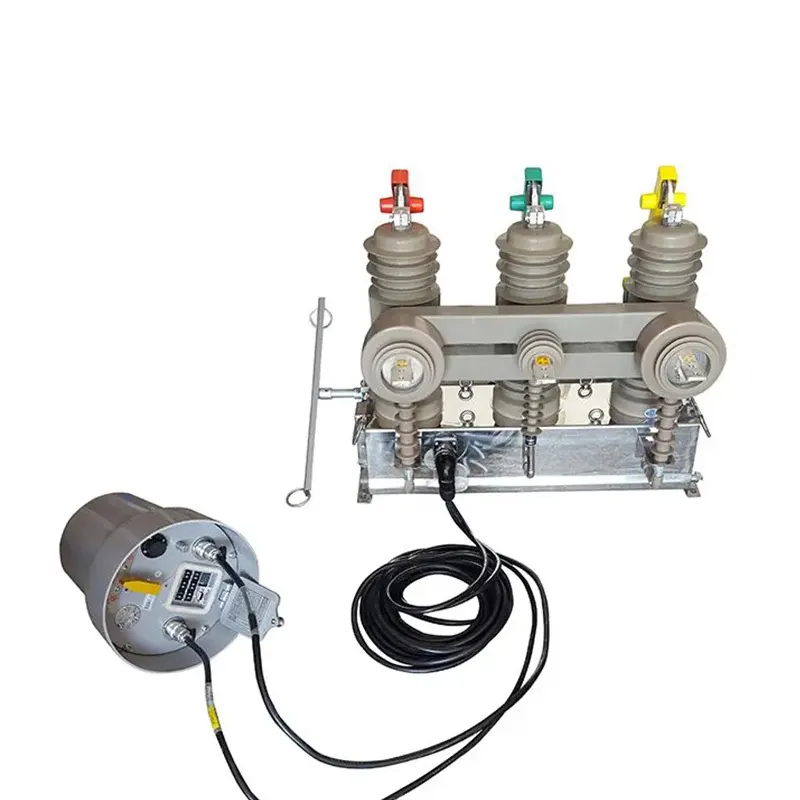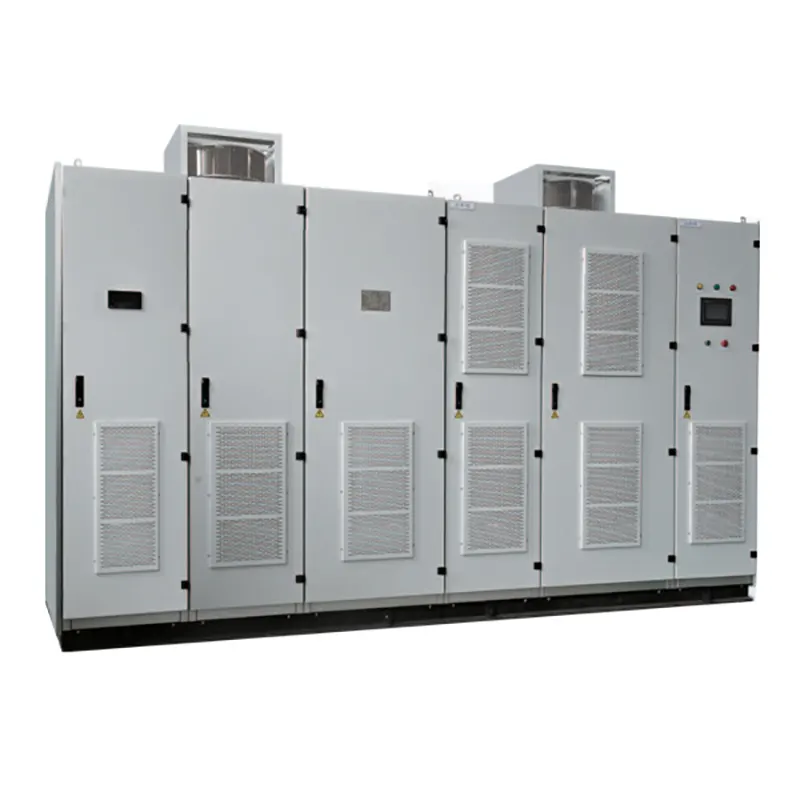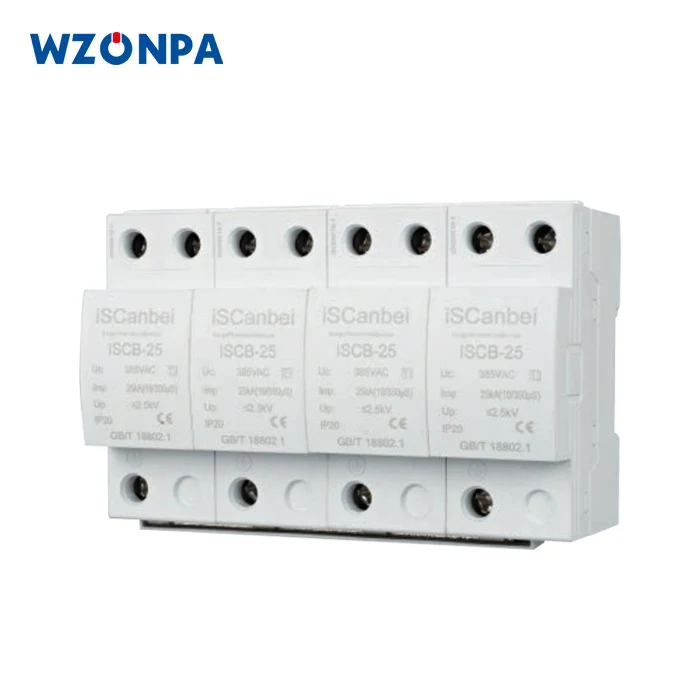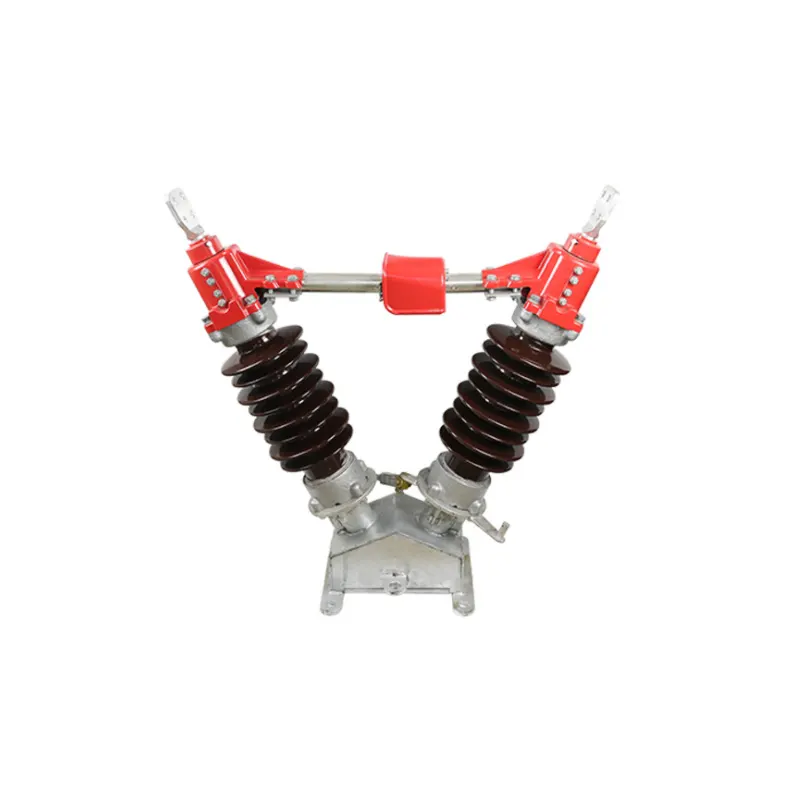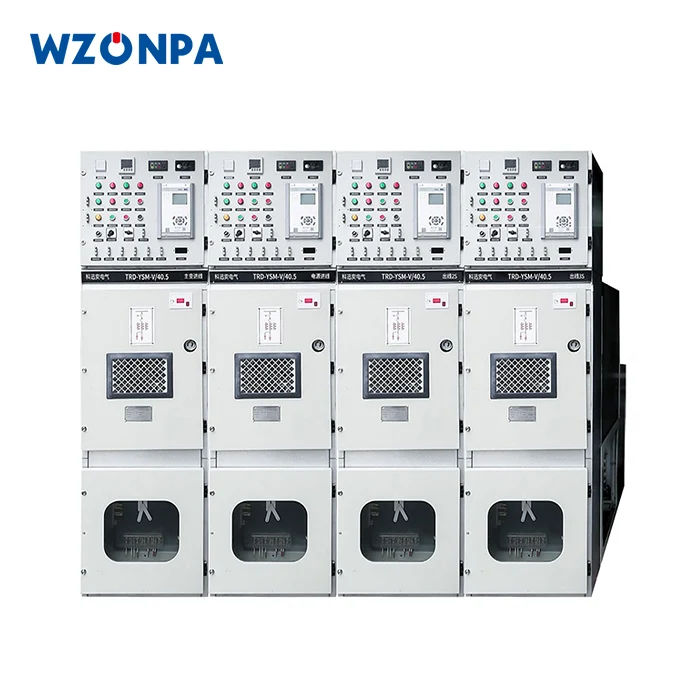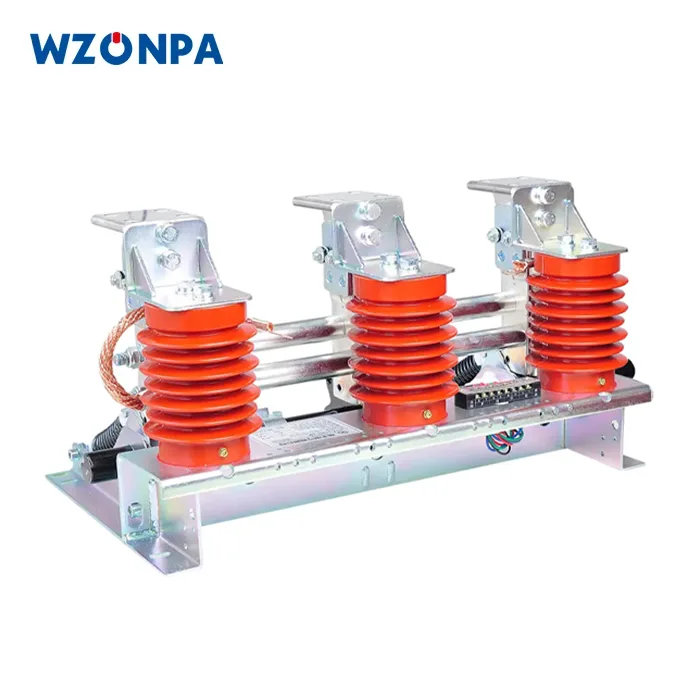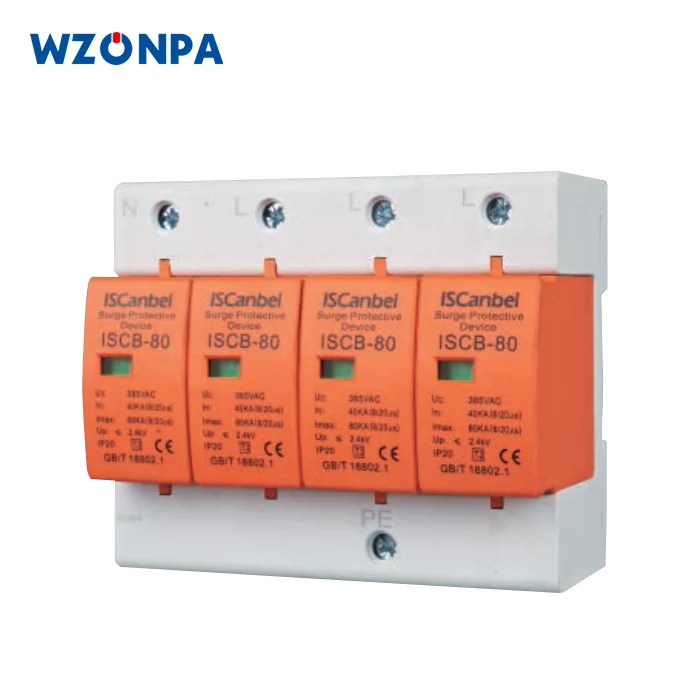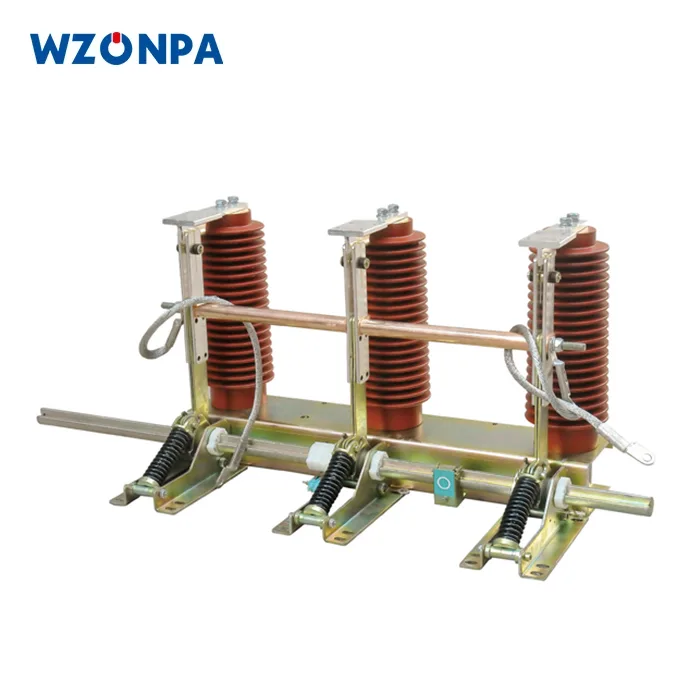

Vacuum Circuit Breakers (VCBs) are pivotal components in modern electrical power systems, offering enhanced protection and control. This blog delves into the workings of VCBs, their advantages, applications, and key factors to consider when selecting one for your systems. Whether you're an electrical engineer or a business decision-maker, understanding this vital technology is crucial for maintaining safe and efficient electrical grids.
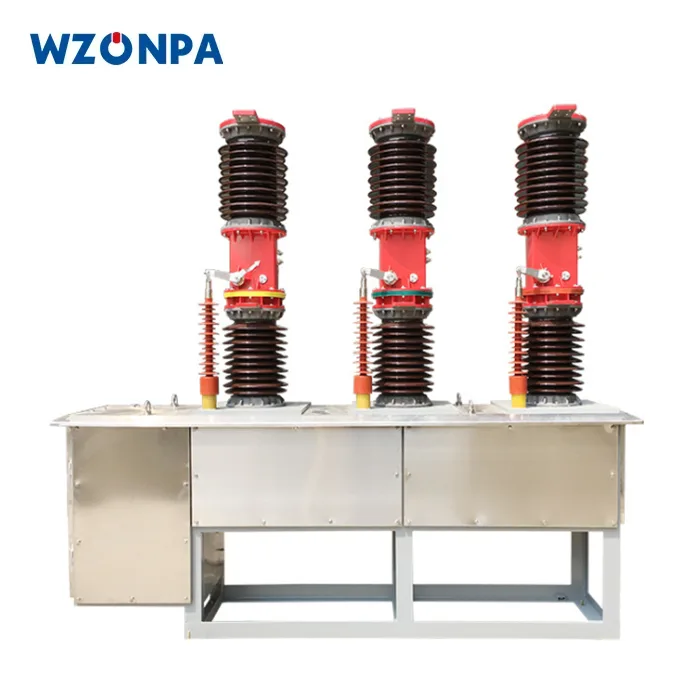
Vacuum Circuit Breakers are used for switching high voltage circuits, and they offer superior insulation and arc-quenching properties. As one of the most reliable solutions in power distribution systems, VCBs are designed to protect electrical equipment from fault currents by quickly and safely interrupting the electrical flow. Unlike traditional air circuit breakers, VCBs rely on vacuum technology for arc extinguishing, making them ideal for a wide range of applications.
Vacuum circuit breakers function by isolating and interrupting the flow of current in a vacuum chamber. When a fault occurs, the breaker opens, and the electrical arc that forms between the contacts is extinguished within the vacuum. The high dielectric strength of vacuum allows for faster arc quenching and reduces the need for external cooling mechanisms.
| Component | Description |
|---|---|
| Vacuum Interruption | Provides fast arc extinction without external cooling. |
| Contact System | Electro-magnetic contacts ensure efficient arc quenching and reliable operation. |
| Vacuum Chamber | Contains the arc and provides insulation to prevent damage to the system. |
There are several benefits to using Vacuum Circuit Breakers (VCBs) in power distribution systems. Some of the main advantages include:
Vacuum Circuit Breakers are widely used in various electrical applications, such as:
When selecting a Vacuum Circuit Breaker, several factors must be taken into account:
Q1: What is the lifespan of a Vacuum Circuit Breaker?
A1: The average lifespan of a VCB is typically 10-20 years, depending on usage and maintenance.
Q2: How do VCBs compare to air circuit breakers?
A2: VCBs offer superior arc quenching and insulation properties compared to air circuit breakers, making them more reliable and durable.
Q3: Are Vacuum Circuit Breakers maintenance-free?
A3: While VCBs require minimal maintenance, regular inspection and cleaning are still necessary to ensure long-term reliability.
Q4: Can VCBs be used in all environments?
A4: VCBs are suitable for most environments, but they should be installed in dry, clean conditions to ensure optimal performance.
Vacuum Circuit Breakers play a crucial role in modern electrical systems, offering efficiency, reliability, and safety. Whether used in power transmission or industrial power systems, their unique vacuum technology allows them to perform effectively with minimal maintenance. By considering the factors outlined in this blog, you can make an informed decision about which VCB best suits your needs.
For more information on high-quality Vacuum Circuit Breakers, visit Wzonpa, your trusted partner in electrical equipment solutions. If you have any questions or would like to discuss your requirements further, contact us today!