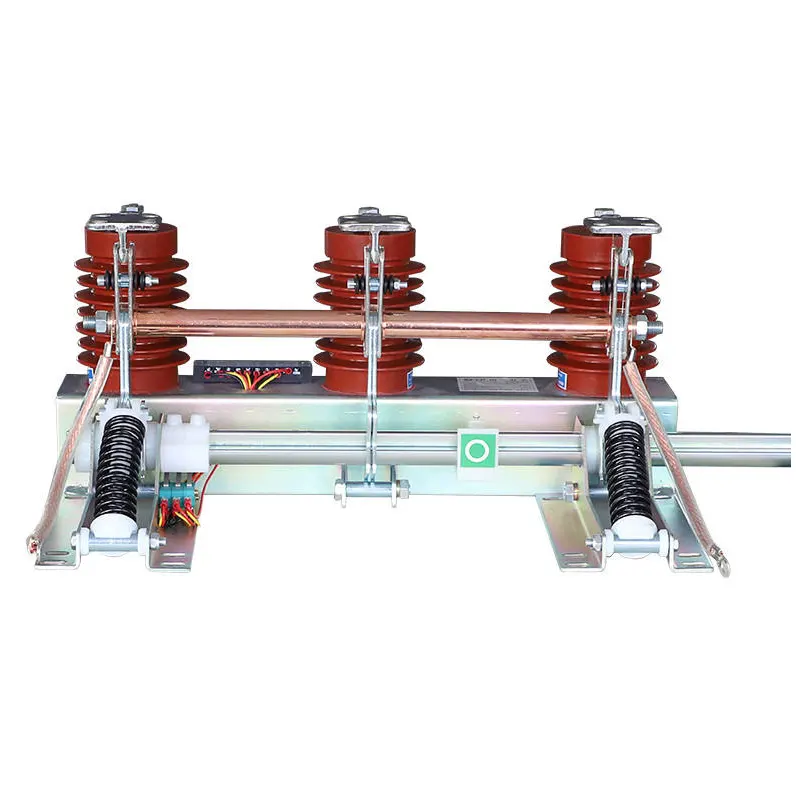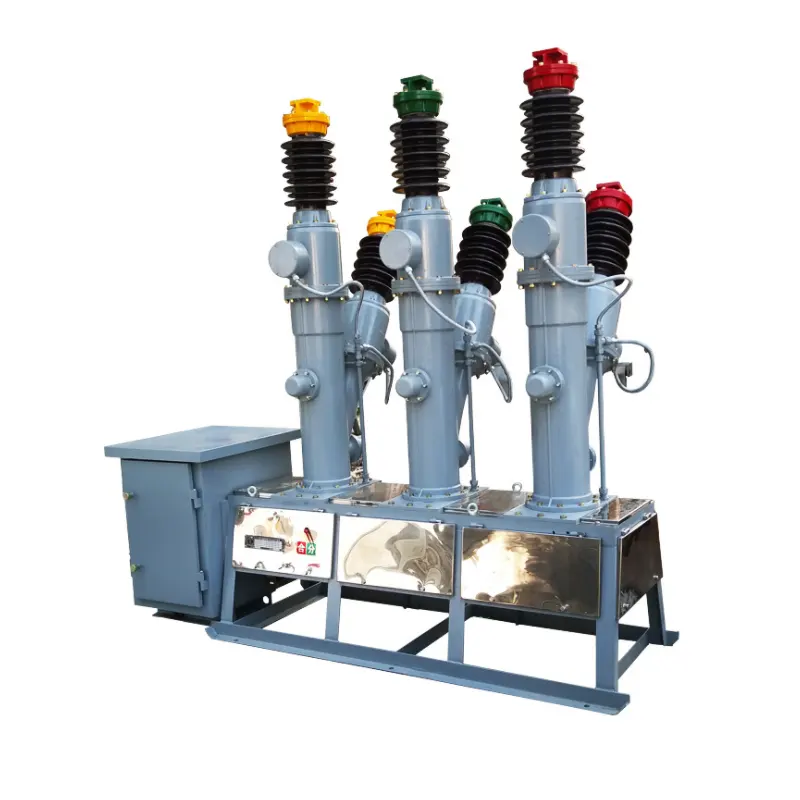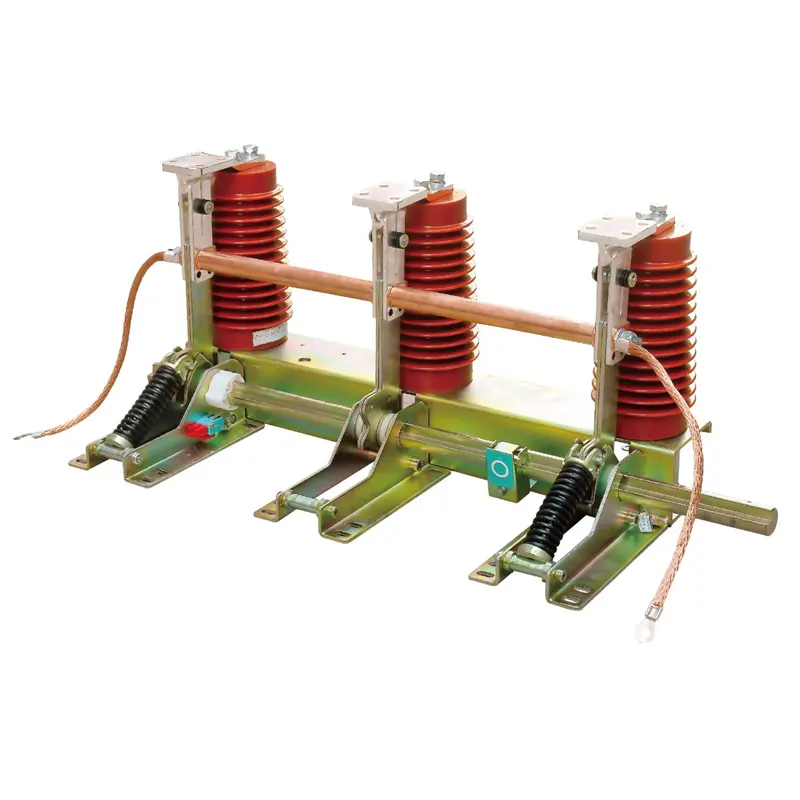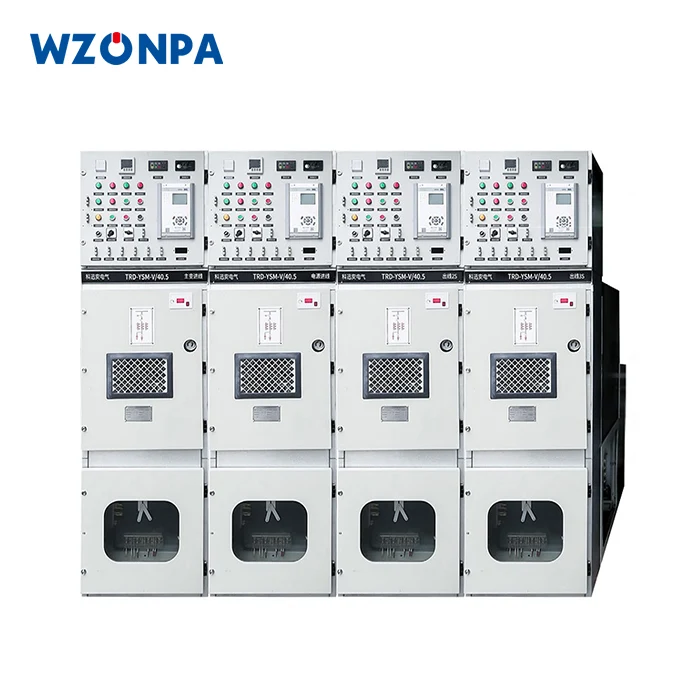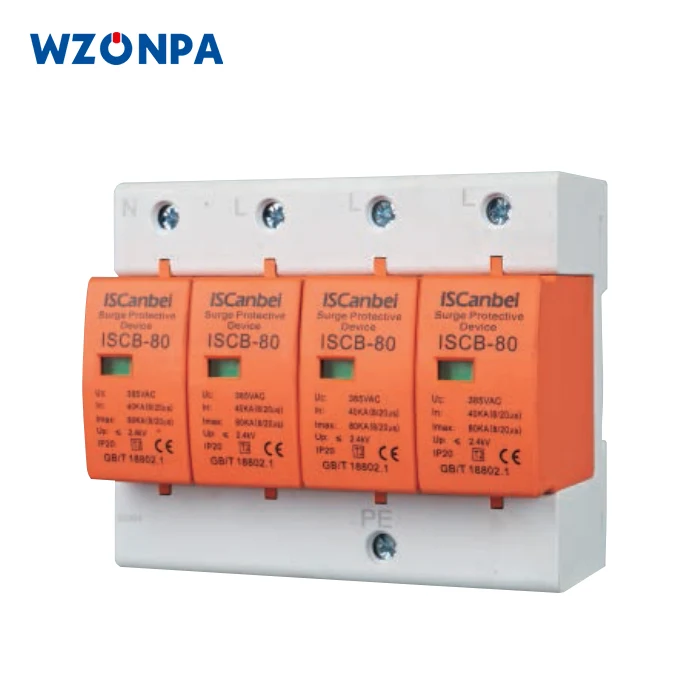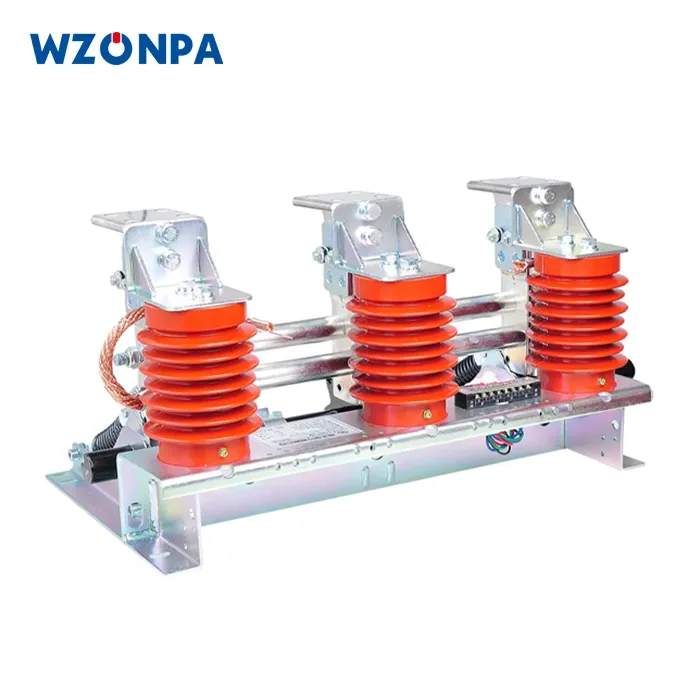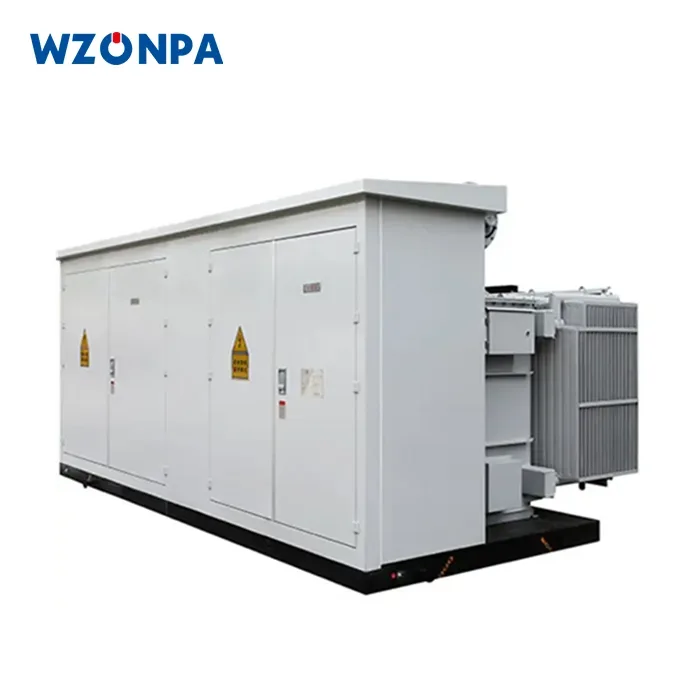

Vacuum Circuit Breakers (VCBs) have become a cornerstone in modern electrical systems due to their high reliability, minimal maintenance requirements, and superior arc-quenching capabilities. This comprehensive guide explores how vacuum circuit breakers work, their advantages, applications, comparisons with other breaker types, and how to select the right one for your needs. With increasing demand for safe and efficient power distribution, companies like Wzonpa are leading the way in delivering advanced VCB solutions tailored for industrial and commercial applications.

A Vacuum Circuit Breaker (VCB) is an electrical switching device used to protect electrical circuits by interrupting current flow during fault conditions. It uses a vacuum as the arc extinction medium, making it highly efficient and reliable compared to traditional breakers.
VCBs are commonly used in medium-voltage applications ranging from 1kV to 36kV and are widely adopted in industrial plants, substations, and power distribution networks.
The working principle of a vacuum circuit breaker is based on the interruption of electrical arcs within a vacuum environment.
Because there is no gas or oil involved, the arc is extinguished almost instantly, reducing wear and increasing lifespan.
| Component | Function |
|---|---|
| Vacuum Interrupter | Extinguishes the arc during switching |
| Contacts | Conduct and interrupt current |
| Operating Mechanism | Controls opening and closing actions |
| Insulation System | Ensures electrical isolation |
| Control Unit | Manages protection and automation |
Manufacturers like Wzonpa integrate advanced engineering to enhance these benefits, ensuring superior performance in demanding environments.
Vacuum circuit breakers are used in various industries and sectors:
Their adaptability makes them a preferred choice for both indoor and outdoor installations.
| Feature | Vacuum Circuit Breaker | SF6 Circuit Breaker | Oil Circuit Breaker |
|---|---|---|---|
| Arc Medium | Vacuum | SF6 Gas | Oil |
| Maintenance | Low | Moderate | High |
| Environmental Impact | Eco-friendly | Greenhouse gas concerns | Oil disposal issues |
| Lifespan | Long | Medium | Short |
| Cost Efficiency | High | Moderate | Low |
When selecting a vacuum circuit breaker, consider the following factors:
For reliable solutions, explore professional manufacturers like Wzonpa Vacuum Circuit Breakers, which offer a wide range of customizable products.
Although VCBs require minimal maintenance, regular checks ensure optimal performance and safety.
The future of vacuum circuit breakers is driven by innovation and smart technologies:
Companies like Wzonpa continue to invest in research and development to meet evolving industry demands.
VCBs are typically used for medium voltage applications ranging from 1kV to 36kV.
They are safer, require less maintenance, and are environmentally friendly compared to oil-based breakers.
A VCB can last for decades with proper maintenance and can perform thousands of switching operations.
Yes, they can be designed for both indoor and outdoor applications depending on the enclosure.
No, they require minimal maintenance compared to other types of circuit breakers.
Vacuum Circuit Breakers are an essential component in modern electrical systems, offering unmatched reliability, efficiency, and environmental benefits. As industries continue to demand safer and more efficient power solutions, VCB technology will remain at the forefront of innovation.
If you are looking for high-quality, reliable vacuum circuit breakers, Wzonpa provides industry-leading solutions tailored to your needs. Contact us today to learn more about our products and how we can support your power distribution projects.